Sudan continues to face the world’s largest hunger and displacement crisis, with millions of people struggling to find enough food and humanitarian agencies warning that funding shortages could force them to reduce operations within weeks.
Carl Skau, Acting Director of the UN World Food Programme (WFP), issued the warning after completing an eight-day visit to Sudan. He said about 20 million people are experiencing acute hunger, while around 14 million have been displaced by the conflict.
Of those facing hunger, approximately five million people are experiencing Emergency levels, classified as Phase 4 under the Integrated Food Security Phase Classification system. Another 200,000 people are facing Phase 5, the classification used for famine conditions.
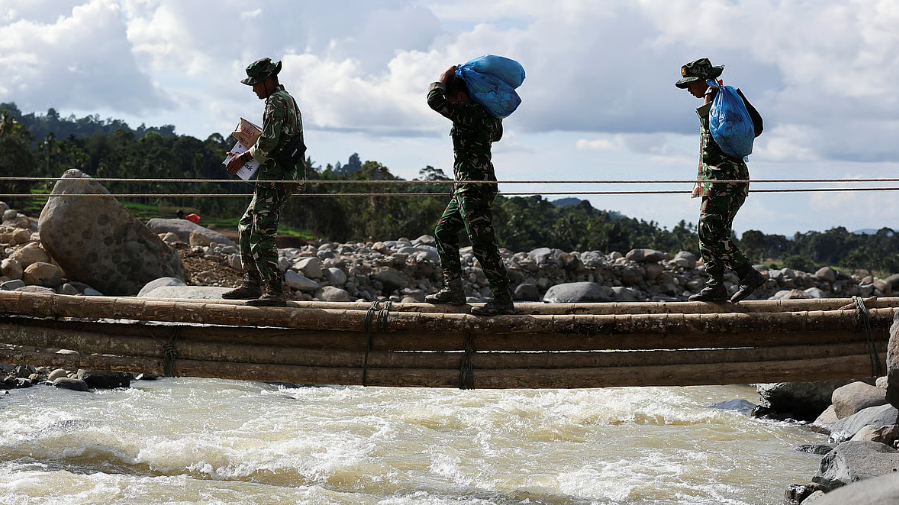
Skau said reaching vulnerable communities has become increasingly difficult because of the fighting and the destruction of transport routes. A journey from El Obeid to El Fasher that previously took about six hours can now require three days. Humanitarian workers are also unable to cross front lines to reach some communities.
Conditions in El Fasher are particularly severe, according to Skau. The city, which once had a population of about one million and served as a major regional centre, has endured an 18-month siege marked by famine and widespread atrocities.
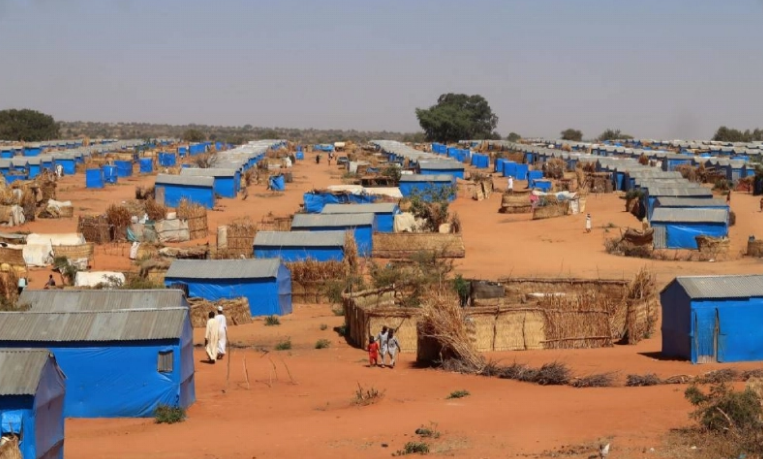
Some conditions have improved, including access to emergency shelter materials. Skau said women had requested plastic sheeting and tarpaulins to protect their families from heavy rain. WFP has expanded its operations in the city and now reaches about 950,000 people in El Fasher each month.
However, the assistance remains far below what families require. Households are receiving half-rations, providing enough food for roughly two weeks. Many families are also headed by women who have lost husbands or sons during the conflict.
Beyond food shortages, communities face severe gaps in healthcare, education and shelter, while children have limited access to safe spaces for recreation.
Drought is adding to the pressure. Skau said Darfur is experiencing its most severe drought conditions since 1984, despite the region being in its rainy season. Communities are increasingly concerned about the effects on agriculture and livestock, which provide essential sources of food and income.
Despite the security challenges, WFP continues to reach between four million and five million people each month across Sudan. Between two million and 2.5 million of those beneficiaries live in areas that are particularly difficult for humanitarian organisations to access.
Skau said funding is now the biggest obstacle facing the programme. Without additional resources, WFP may have to substantially scale back its operations in the coming weeks.
The warning comes as Sudan’s humanitarian crisis continues to worsen, with conflict, displacement, food shortages, drought and restricted access placing millions of civilians at risk.