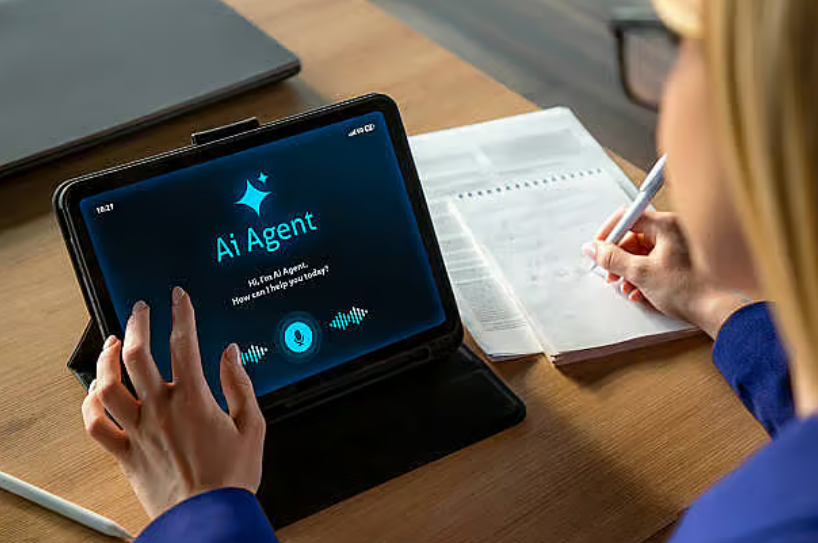
Artificial intelligence is helping employees in the UAE complete tasks more quickly and find new ways to innovate, but the time saved is not necessarily resulting in lighter workloads, according to a new workforce report.
The Korn Ferry UAE Workforce Report 2026, based on responses from 500 professionals in the country, found that 76 per cent of employees were excited about how AI would change their work, compared with 65 per cent globally. Meanwhile, 72 per cent said they had more opportunities to innovate than a year earlier.
However, the report also found that 70 per cent of UAE employees had experienced a significant increase in their workload over the previous two years, raising questions about whether businesses are sharing the benefits of automation with their staff.
Aws Ismail, co-founder of Onyx AI Solutions, said some companies were using the time saved through AI to assign employees additional responsibilities rather than improve working conditions.
“Honestly, a lot of companies are just filling the time with more work. That’s a management problem, not an AI problem. If you save someone two hours and then hand them two hours of new tasks, nothing has improved,” he said.
Ismail argued that businesses should use AI to handle repetitive duties, allowing employees to concentrate on responsibilities requiring judgement, communication and personal interaction.
At Onyx, the company’s AI recruitment system conducts initial screening calls, giving human recruiters more time to engage with candidates and stakeholders.
He also called for changes to performance assessments, saying companies should measure the value employees create rather than the number of tasks they complete.
“Measure the value they add instead, and I believe that HR has to lead this,” he said. He urged HR departments to identify the most exhausting parts of employees’ jobs and consider whether AI could take over those responsibilities.
Companies reconsider productivity and wellbeing
Shabeel Ummer, head of human resources at V Group International, said AI had helped employees reclaim time by speeding up routine tasks across the company’s retail, wholesale, e-commerce and support operations.
Employees use the technology for drafting, analysis and report preparation, while first-level customer enquiries that previously took hours can now be handled within minutes, he said.
Ummer said the time saved allowed staff to focus on customer relationships, teamwork and business challenges requiring human judgement. AI tools also helped managers distribute project responsibilities more fairly according to employees’ capacity.
He said businesses needed to rethink how they defined a productive working day as the technology became more widely used.
“Companies must rethink daily expectations, but the measure should be the quality of work, not the quantity. A good day is judged by the value created, not the number of tasks completed,” Ummer said.
He added that HR departments had a responsibility to ensure automation improved employees’ working lives rather than simply creating additional targets.
“AI should give our people better results, not longer to-do lists,” he said, adding that saved time should support better work, professional development and customer care.