Land values around future Dubai Metro stations could rise by between 15 per cent and 30 per cent, according to Mattar Al Tayer, director general and chairman of the Board of Executive Directors of Dubai’s Roads and Transport Authority.
Al Tayer said the potential increase in land values could also contribute to higher property prices in areas surrounding new Metro stations, although the impact would depend on the location and type of property.
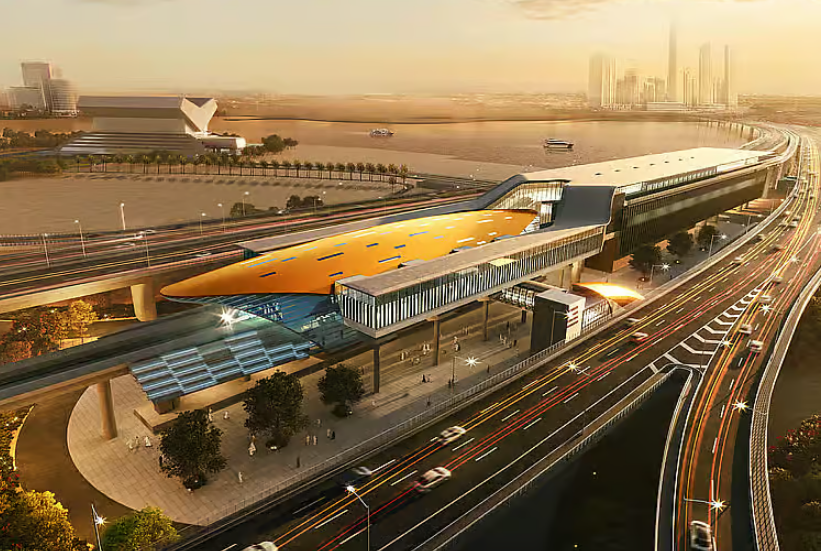
His comments came as Dubai moves forward with two major rail projects, the Dubai Metro Blue Line and Gold Line, which are expected to significantly expand the emirate’s public transport network. The combined cost of the projects is estimated at about Dh55 billion.
Speaking at a press conference announcing the inaugural RailX Dubai Conference and Exhibition, Al Tayer said the RTA was conducting several studies before determining locations for future Metro stations.
“Studies related to future lines and stations were currently under way,” he said.
The Blue Line is already under development and is expected to be completed in 2029. The project will cover about 30 kilometres. The Gold Line, extending for 42 kilometres, is scheduled for completion in 2032.
“RTA is currently implementing the Dubai Metro Blue Line project, while the tender for the Dubai Metro Gold Line project is scheduled to be issued by the end of this year,” Al Tayer said.
Once completed, the two projects are expected to expand Dubai’s Metro network by about 80 per cent. The total length of the network is projected to increase from the current 90 kilometres to 162 kilometres by 2032.
Al Tayer said the projects were being implemented according to established plans and timelines and would follow international standards.
“Dubai Metro projects are delivered to the highest international standards, according to clear plans and precise timelines,” he said.
The projects are being overseen by Emirati engineers and experts working alongside international specialists. Al Tayer said the combined professional experience of those involved exceeds 2,500 years.
He also highlighted the wider economic and social role of rail infrastructure, saying efficient transport networks help connect communities and markets while supporting economic growth and sustainable urban development.
The expansion is also expected to make daily journeys easier for residents and visitors as Dubai’s population and economic activity continue to grow.
Dubai Metro currently accounts for about 40 per cent of all public transport journeys in the emirate. Since its launch on September 9, 2009, the network has carried nearly three billion passengers.
The expected rise in land values around future stations could add another dimension to the Metro expansion, with improved connectivity potentially increasing demand for properties located close to the new rail network.