Donald Trump said on Thursday he would pause attacks on Iran’s energy facilities for 10 days following a request from Tehran, signaling a possible opening for diplomacy after nearly four weeks of conflict that has shaken global markets.
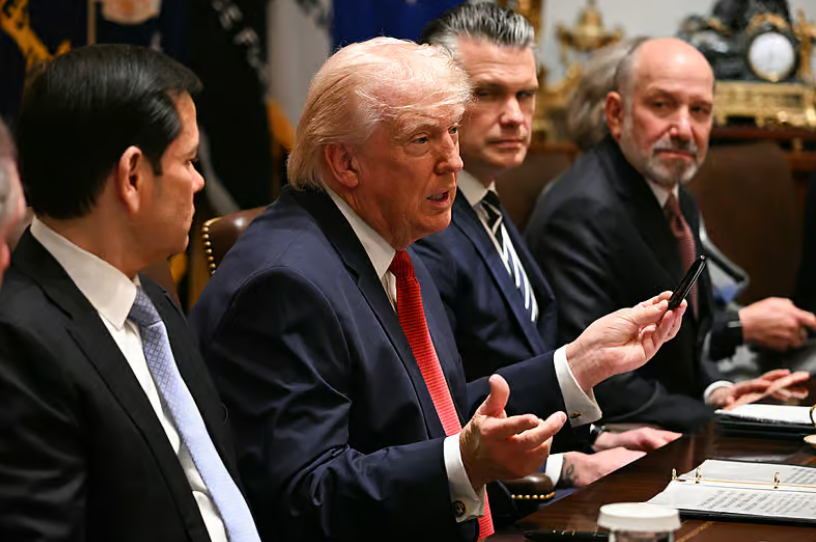
In a post on Truth Social, Trump said the halt would last until April 6, adding that talks with Iran were “going very well.” The announcement came shortly after he warned during a White House cabinet meeting that the United States would increase pressure if Tehran failed to reach an agreement.
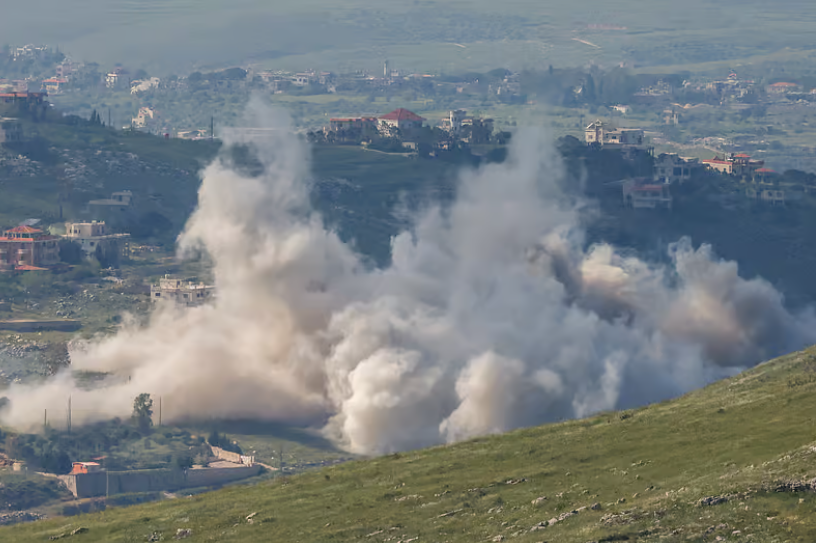
Despite the pause, fighting continued across the region. Iran launched fresh missile strikes targeting Israeli cities including Tel Aviv and Haifa, while also hitting US-linked positions. Israeli emergency services reported casualties following rocket attacks in northern areas.
The conflict has disrupted global energy supplies, particularly through the Strait of Hormuz, a vital shipping route for oil and gas. Crude prices have surged nearly 40% since the war began, reaching around $108 a barrel on Thursday. Liquefied natural gas shipments to Asia have risen sharply, while fertilizer prices have climbed by about 50%, raising concerns over food production costs.
Although Trump expressed optimism, an Iranian official dismissed a US proposal to end the war as “one-sided and unfair.” The plan, reportedly consisting of 15 points, includes demands for Iran to scale back its nuclear programme and limit its missile capabilities. Tehran has insisted on guarantees against future military action, compensation for damages, and formal control over the strait.
Trump also suggested Iran had allowed limited tanker movement through the Strait of Hormuz as a goodwill gesture. Some vessels, including those linked to Asian countries, have reportedly transited after coordination with Iranian authorities.
The United States has deployed thousands of troops to the Middle East, fueling speculation about a possible ground operation, though no formal plans have been announced. Trump said Washington could consider taking control of Iran’s oil resources if negotiations fail, but did not provide details.
Diplomatic efforts are ongoing, with Pakistan acting as an intermediary and countries such as Turkey and Egypt supporting backchannel communications. Pakistan’s foreign minister confirmed that indirect talks are being conducted through message exchanges.
Analysts say the prospects for a ceasefire remain uncertain given the hardening positions on both sides. One former US official noted that Iran may seek to escalate pressure before entering serious negotiations, while Washington faces decisions on whether to intensify military action or pursue diplomacy.
The conflict has already had wide-reaching economic effects, unsettling stock markets and disrupting industries from technology to tourism. While the temporary pause in strikes offers a brief window for dialogue, the path toward a lasting agreement remains unclear.