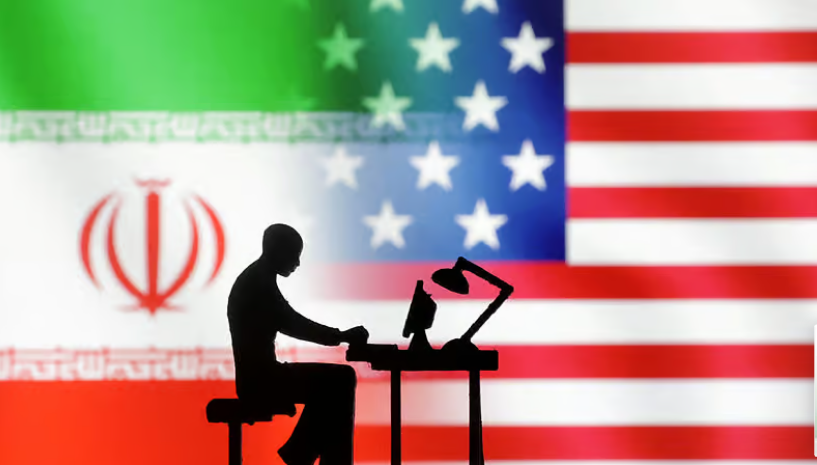
Billions of dollars have been wasted, not to mention thousands of lives lost, in the ongoing US-Israel-Iran war. Yet analysts say a parallel economy has emerged online, where some social media influencers are earning millions by spreading false and misleading content linked to the conflict.
Over a 28-day period, influencers across multiple regions reportedly generated between $42 million and $47 million by flooding platforms with AI-generated videos, fabricated claims of investor panic, and recycled footage presented as new events. Payments were tied to engagement milestones, with higher views and interactions translating into increased revenue.
One widely shared video posted on March 1 showed the Burj Khalifa appearing to be engulfed in flames, accompanied by the caption “Iranian precision strike.” The clip was later proven to be entirely fabricated. A verification team identified inconsistencies in flame behaviour and metadata showing the footage had been created hours before the alleged incident. Within six hours, thousands of automated accounts had circulated the video in multiple languages, amplifying its reach across major platforms.
Other false narratives suggested that Dubai was under attack and that investors were fleeing in large numbers. One such claim attracted over 4 million views in three days and generated advertising revenue. In another case, an influencer posted a video claiming to witness the crisis firsthand from Dubai, gaining millions of views and additional income through paid content, despite no evidence of any real incident.
Cybersecurity analysts say such tactics are part of a broader pattern. Rayad Kamal Ayub, managing director of a digital forensics firm, described the trend as “a digital gold rush built on human terror,” where misinformation is deliberately crafted to provoke fear and maximise engagement.
Experts have linked the phenomenon to what some describe as “crisis capitalism” in the influencer economy. Analysts note that automation tools create large volumes of content, while influencers add a layer of perceived authenticity, making false claims appear credible. Algorithms then amplify the material to global audiences.
The impact has extended beyond social media metrics. Investigators estimate that tens of thousands of individuals have been exposed to scams connected to these narratives. In some cases, influencers have promoted paid guides, consultations, or relocation services based on false claims of danger, generating substantial income.
Despite widespread claims of instability, economic data from the United Arab Emirates presents a contrasting picture. Dubai recorded over 6,000 residential property transactions worth more than Dh20 billion between late February and mid-March, indicating continued investor confidence.
Analysts warn that the speed and scale of online misinformation pose significant challenges. They say identifying false content quickly is critical to limiting its impact, as the combination of social media, artificial intelligence, and financial incentives continues to reshape how information spreads during global crises.