Iran’s new system requiring approvals and payments for vessels passing through the Strait of Hormuz is already reducing shipping traffic and constraining global oil flows, analysts say, raising concerns about supply stability in the coming weeks.
The measures come as tensions remain high despite a temporary ceasefire, with Tehran tightening its grip on one of the world’s most critical energy corridors. The strait typically carries about one-fifth of global oil supplies, making any disruption a major concern for international markets.
Economist Antonio Fatas said the slowdown in traffic was expected given Iran’s strategy of using access to the waterway as a bargaining tool. He noted that while the ceasefire has prevented a wider escalation for now, uncertainty remains over how both sides interpret its terms.
Iran introduced the approval and payment system at the start of the ceasefire, a move that has already limited the number of ships able to pass. “This is the only lever that Iran has in the negotiations,” Fatas said, adding that reduced flows are likely in the short term as countries look for alternative energy sources.
Donald Trump announced on Wednesday that the ceasefire would be extended, giving Iran more time to present a unified proposal following mediation efforts by Pakistan. However, the extension has not eased concerns about supply disruptions.
Officials in the Gulf have warned that prolonged restrictions are having a significant impact. Sultan Al Jaber has called for the full reopening of the strait, saying earlier that weeks of disruption have affected hundreds of millions of barrels of oil shipments.
Even if restrictions are lifted, analysts caution that the return to normal supply levels will not be immediate. Sergey Pigarev said exports could rise sharply after a full reopening, but shipping delays mean oil would reach key markets at different times. Deliveries to India could take over a week, while shipments to East Asia may take up to a month.
This staggered recovery is expected to keep markets volatile, as inventories rebuild gradually rather than all at once. Alternative export routes offer only limited relief. While countries such as Saudi Arabia and the United Arab Emirates can redirect some crude through pipelines, their capacity falls short of the volumes typically transported through the strait.
Other producers, including Iraq and Kuwait, have fewer options to reroute supplies, adding to the strain on global output.
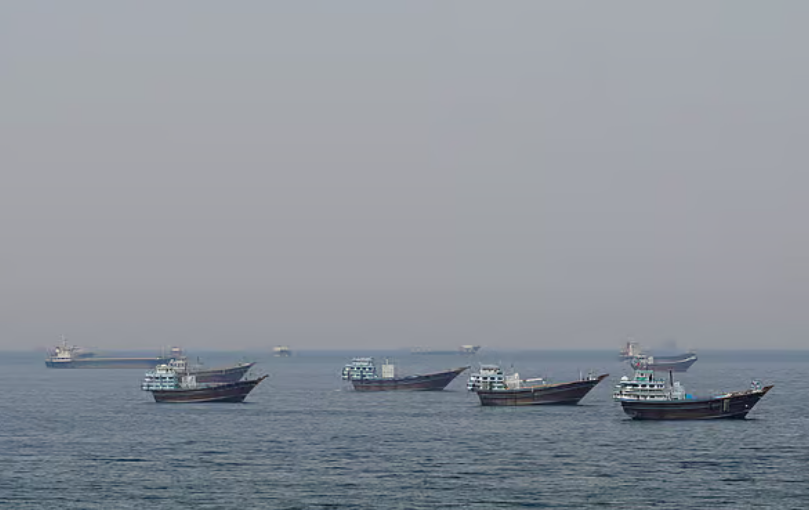
With hundreds of vessels reportedly waiting for clearance and restrictions still in place, the gap between expected and actual oil supply continues to widen. As the ceasefire deadline approaches, attention is shifting to how quickly normal shipping can resume and whether a lasting agreement can stabilise flows through the vital waterway.