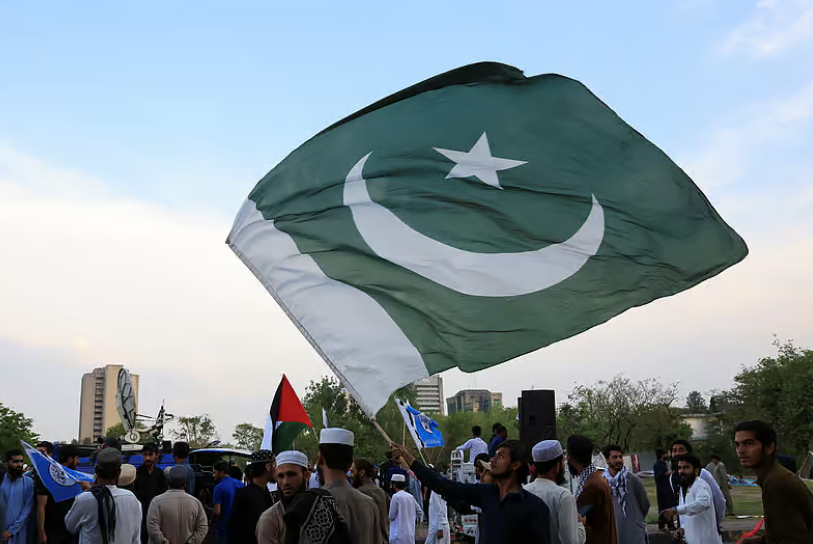
Pakistan is under mounting pressure to broker a breakthrough between Iran and the United States, as officials gather in Islamabad for talks aimed at stabilising a fragile ceasefire and easing global economic uncertainty.
Diplomats and analysts describe the effort as one of the most challenging mediation attempts in recent years, with both sides deeply divided and tensions still simmering across the Middle East. The talks follow weeks of behind-the-scenes engagement led by Asim Munir and Shehbaz Sharif, who have worked to bring the two sides back to the negotiating table.
Iranian officials arrived in Islamabad on Thursday, while a US delegation led by Vice President JD Vance is expected to join discussions on Friday. Negotiations are scheduled to begin on Saturday, with Pakistani officials hoping to move beyond the current two-week truce toward a more durable agreement.
Security in the capital has been tightened significantly ahead of the talks. Key areas, including the vicinity of the Serena Hotel where the discussions are expected to take place, have been sealed off. Roads have been closed, checkpoints established and additional forces deployed. Authorities have also increased airspace monitoring and placed emergency services on alert, reflecting concerns about both militant threats and the sensitivity of the diplomatic effort.
The urgency of the talks is tied not only to regional stability but also to global economic concerns, particularly disruptions to energy supply routes. Analysts warn that renewed escalation could undermine efforts to reopen critical shipping lanes and push oil prices higher.
Kamran Bokhari said Pakistan is keen to avoid further instability along its western borders, where tensions with both Iran and Afghanistan have risen in recent months. A prolonged conflict, he noted, would worsen an already fragile security environment.
Pakistan’s diplomatic push marks a notable shift in its international standing after a period of relative isolation. Success in facilitating dialogue could strengthen its role on the global stage, while failure may damage its credibility. Muhammad Faisal warned that Islamabad has invested significant political capital in the process and risks reputational costs if the talks collapse.
Efforts to revive negotiations came just hours before the ceasefire was announced earlier this week by US President Donald Trump. Pakistani officials are now expected to raise broader regional concerns during the discussions, including the impact of the conflict on Gulf states and ongoing violence in Lebanon.
Despite its active role, experts caution that Pakistan’s influence has limits. Elizabeth Threlkeld said Islamabad may be able to facilitate dialogue and build trust but lacks the leverage to force concessions if either side remains unwilling to compromise.
As negotiations begin, the outcome remains uncertain, with the success of the talks likely to depend on factors extending well beyond the negotiating table.