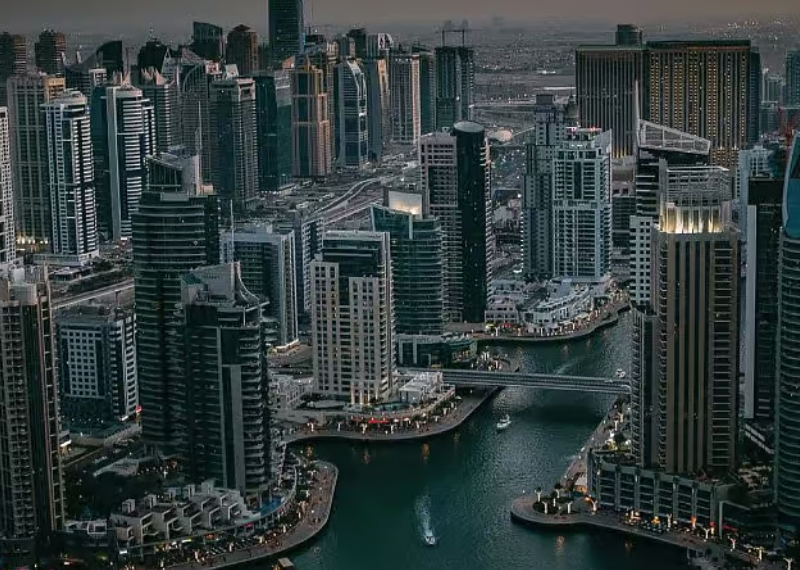
Dubai’s property market is expected to remain active during the second half of 2026, supported by population growth, international investment, government initiatives and a strong economic environment, according to real estate industry executives.
Market specialists say the removal of the minimum property value requirement for the Property Visa, along with the introduction of the First-Time Home Buyer Programme, could make property ownership more accessible and support demand in the months ahead.
Emrah Yar, founder and CEO of Equity, said buyer confidence was expected to remain strong as Dubai continued to attract residents and investors from around the world.
“As we move into the second half of 2026, we expect buyer confidence to remain strong as Dubai continues to benefit from population growth, international investment and one of the most attractive economic environments globally,” Yar said.
Industry executives also believe Dubai is experiencing different property cycles across individual communities rather than a broad correction affecting the entire city. Prices and demand are increasingly being shaped by local factors, including available supply, buyer preferences and rental performance.
The changing market conditions are creating opportunities for investors, particularly as pricing in some segments has become more accessible. Investors who previously focused on studios and smaller apartments are now able to consider larger properties that may offer stronger rental returns and potential long-term capital growth.
Homebuyers who delayed purchases during periods of rapid price increases are also finding more opportunities to enter the market.
Dubai’s continued population growth, infrastructure spending and pro-business policies remain important factors supporting real estate demand. The emirate has continued to attract both regional and international buyers seeking residential properties and investment opportunities.
Equity expects transaction activity to remain healthy through the rest of the year, with demand continuing across both luxury and mainstream residential markets.
Morgan’s International Realty offered a more cautious assessment, saying Dubai had entered the second half of 2026 with lower activity and more selective demand. However, transaction volumes remain above long-term averages, indicating that the market continues to have a solid underlying base.
Cushman & Wakefield Core said the next phase of Dubai’s property market would be shaped less by headline price movements and more by demand recovery, the absorption of new supply and changes in occupier behaviour.
The consultancy said these factors would help determine whether the current moderation develops into market stabilisation or a longer period of softer conditions.
Government measures are also expected to play an important role. The removal of the minimum property value requirement for the Property Visa and the First-Time Home Buyer Programme are designed to improve access to the housing market.
With demand remaining supported by population growth and international investment, industry executives expect Dubai’s property sector to continue offering opportunities while becoming increasingly selective and segmented.