Artificial intelligence is rapidly making its way into the cycling industry, with manufacturers showcasing smart bicycles and advanced digital technologies that they hope will help revive a market struggling through several years of declining sales.
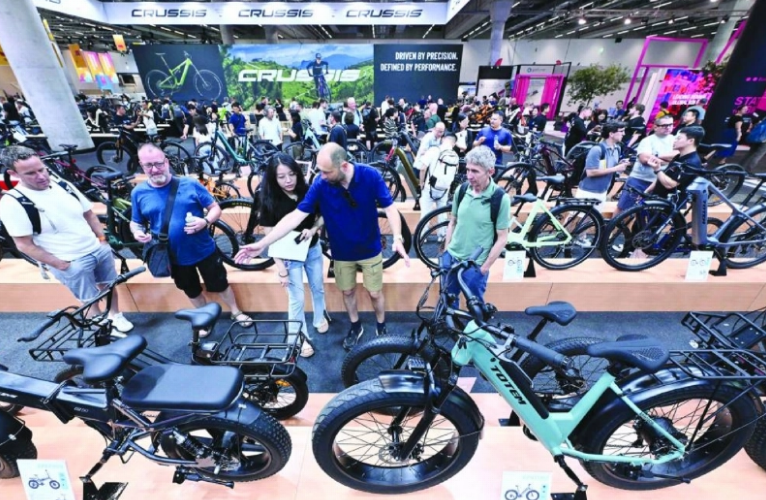
At the Eurobike trade fair, companies unveiled AI-powered innovations designed to improve safety, riding performance and customer services, reflecting a growing effort to modernise the bicycle industry after demand weakened following the pandemic boom.
One of the most talked-about products came from Avinox, an electric bicycle motor manufacturer owned by Chinese drone company DJI. The company introduced an AI-enabled motor system that uses sensors to monitor a rider’s movements and surrounding terrain in real time.
The technology automatically adjusts motor assistance based on riding conditions, reducing the need for manual input and making cycling both easier and safer. The system can also receive a cyclist’s heart rate, allowing the electric motor to modify its power output according to the rider’s physical condition.
Avinox developer Ferdinand Wolf said the technology is designed to provide riders with a smoother experience without requiring constant adjustments.
Safety innovations also featured prominently at the exhibition. German bicycle manufacturer Canyon displayed a prototype racing bike equipped with cameras and radar systems capable of detecting nearby hazards.
The system can identify risks such as parked vehicles whose doors may suddenly open into a cyclist’s path. Riders receive warnings through lights on the bicycle frame, vibrations in the handlebars or alerts displayed inside a specially designed smart helmet.
The helmet features a large visor capable of showing real-time safety notifications or delivering audio warnings, depending on user preferences.
Canyon is also working with German automaker Volkswagen on a communication system that would allow bicycles to exchange information with surrounding vehicles and road infrastructure. The company expects the technology to become available within about three years, although widespread adoption will depend on more vehicles being equipped with compatible communication systems.
Artificial intelligence is also reshaping customer services across the cycling sector.
Insurance provider Linexo said it expects around 90 percent of bicycle insurance claims to be processed automatically by the end of the year. Standard claims will be handled entirely through AI systems, while specialists will continue reviewing more complex cases and investigating suspected fraud.
Meanwhile, startup Wunderfix has developed a mobile application that connects cyclists with repair shops while allowing users to diagnose and, when possible, repair their own bicycles. The company said it has already recorded around 3,000 service requests this year.
The push toward smart cycling technology comes as the European bicycle market continues to recover from a prolonged downturn. According to consulting firm EY-Parthenon, bicycle sales across Europe fell 4 percent in 2025 to 15.2 million units, marking the third consecutive year of decline.
Analyst Constantin Gall said the industry has been adjusting after unusually strong demand during the COVID-19 pandemic, with lower sales, high inventories and pricing pressure affecting manufacturers since 2023.
Despite recent challenges, EY-Parthenon expects the market to stabilise this year before gradually returning to growth. The consultancy forecasts industry revenue will reach €21.2 billion by 2031, matching the record levels achieved in 2022, with digital technologies and data-driven services expected to play an increasingly important role in that recovery.