Pakistan said it carried out overnight airstrikes and ground operations in eastern Afghanistan, targeting militant hideouts linked to a deadly attack in Karachi, while the Taliban government reported that dozens of civilians were killed or wounded in the military action.
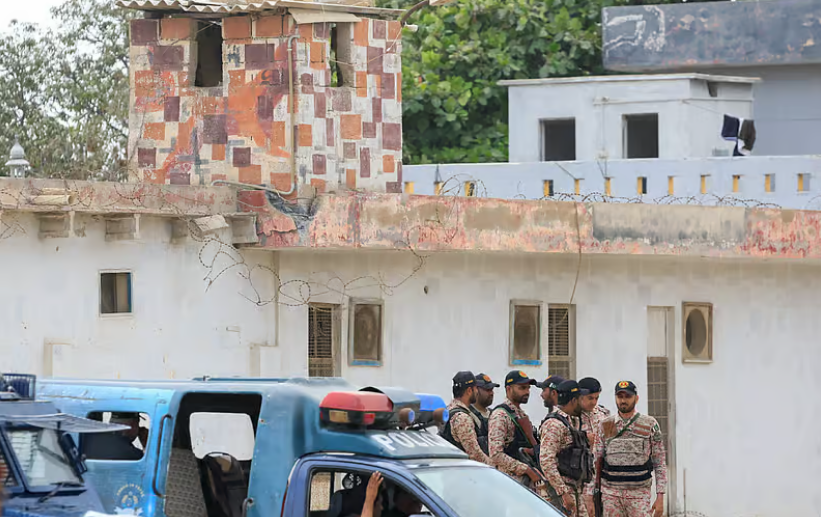
According to Pakistan’s Information Minister Attaullah Tarar, the operations were aimed at Jamaat-ul-Ahrar, a splinter faction of the Tehreek-e-Taliban Pakistan (TTP), which Islamabad blames for Saturday’s attack on a Rangers paramilitary camp in Karachi. Pakistani authorities said the assault killed three security personnel and resulted in the arrest of an Afghan national believed to be among those involved.
Tarar said Pakistani forces destroyed three militant targets in the Afghan provinces of Paktia, Paktika and Kunar during what he described as precision airstrikes. He added that four militants were also killed during ground operations conducted in border areas.
Pakistan said a total of 25 militants were killed in the offensive, maintaining that its forces targeted militant hideouts and weapons storage facilities while seeking to avoid civilian casualties.
The Taliban administration strongly condemned the strikes. Taliban spokesman Zabihullah Mujahid described the attacks as a “cowardly act of aggression” and said airstrikes across three eastern provinces had killed or injured dozens of civilians. Afghan officials have consistently rejected Pakistan’s accusations that militant groups operate from Afghan territory.
The latest military action marks another escalation in the tense relationship between the neighboring countries, whose ties have remained strained since the Taliban returned to power in Afghanistan in 2021.
Pakistan and Afghanistan agreed to a ceasefire in March after weeks of fighting that erupted in February, but cross-border violence has continued despite the agreement. Afghan officials said previous Pakistani airstrikes in June killed at least 13 people, while Islamabad has defended such operations as necessary to combat militant groups responsible for attacks inside Pakistan.
Pakistani officials argue that the country’s campaign against militancy requires action against armed groups operating near the border. The government says its military uses intelligence-based targeting to strike TTP positions and prevent further attacks on Pakistani soil.
Afghan authorities, however, accuse Pakistan of causing significant civilian casualties during cross-border operations. They have cited previous incidents, including a strike on a drug treatment center in March that the United Nations said resulted in hundreds of deaths.
The conflict between the two countries intensified earlier this year, with weeks of fighting reportedly killing hundreds of people and forcing tens of thousands from their homes, according to UN estimates. The clashes included heavy fighting along the frontier and Pakistani airstrikes on Afghan cities, including Kabul and Kandahar.
Despite mediation efforts by several countries, including China, no lasting settlement has been reached, and much of the border has remained closed following repeated outbreaks of violence since last year.