SpaceX continued the rapid expansion of its Starlink broadband network with the successful launch of 29 new satellites into low Earth orbit, marking another milestone in the company’s busy launch schedule for 2026.
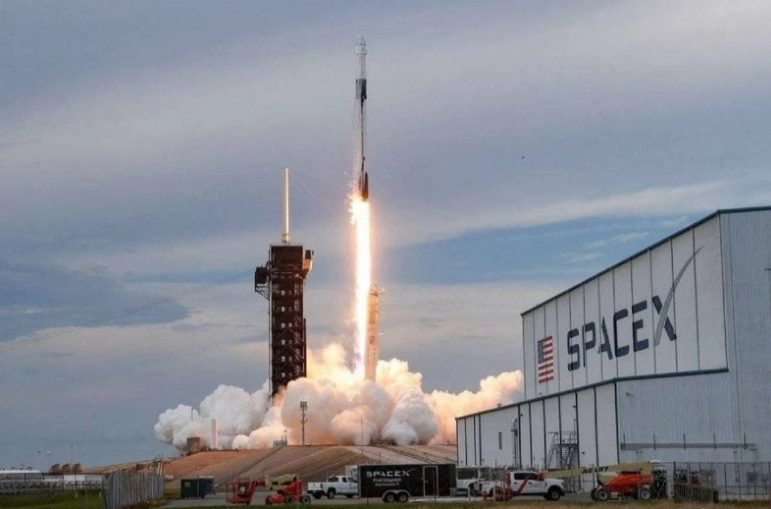
The mission lifted off from Cape Canaveral Space Force Station in Florida aboard a Falcon 9 rocket carrying satellites assigned to the Group 10-54 mission. The launch proceeded as planned, with all satellites successfully deployed into their designated orbit to join the growing Starlink constellation.
The company confirmed that the mission also marked another achievement for its reusable rocket program. The Falcon 9 first-stage booster, designated B1080, completed its 27th flight before returning safely to a landing platform in the Atlantic Ocean. The successful recovery allows the booster to be refurbished and used for future missions, a key component of SpaceX’s strategy to reduce launch costs and increase flight frequency.
The latest launch highlights the company’s accelerating pace of operations. It was the 68th Falcon 9 mission conducted since the beginning of 2026, underscoring SpaceX’s continued dominance in the commercial launch sector and its commitment to expanding satellite-based internet coverage worldwide.
Starlink has become one of SpaceX’s most significant projects, aiming to provide high-speed internet access to customers in urban, rural and remote regions around the globe. The service has grown rapidly over the past several years, with the company steadily increasing the number of satellites operating in orbit.
According to SpaceX, the Starlink network now consists of more than 10,600 active satellites. The constellation supports internet connectivity for millions of users and serves a range of applications beyond residential broadband.
The network is increasingly being used to provide internet access for aircraft, maritime operations and emergency communications. SpaceX has also expanded partnerships with telecommunications companies to enable direct mobile phone connectivity through Starlink satellites, allowing users to access communication services in areas where traditional cellular infrastructure is unavailable.
The company has stated that expanding the constellation remains a priority as demand for satellite-based internet services continues to grow. Each new launch strengthens network capacity and improves coverage, particularly in underserved regions where reliable internet access remains limited.
With dozens of launches already completed this year and more planned in the coming months, SpaceX appears set to maintain its aggressive deployment schedule as it works to enhance the reach and performance of the Starlink system.
The successful mission adds another chapter to the company’s efforts to build one of the largest satellite networks ever assembled, while demonstrating the reliability of its reusable rocket technology.