The United States has warned that it is “more than capable” of resuming military operations against Iran, as negotiations over a potential peace deal remain unresolved and tensions across the Middle East continue to escalate.
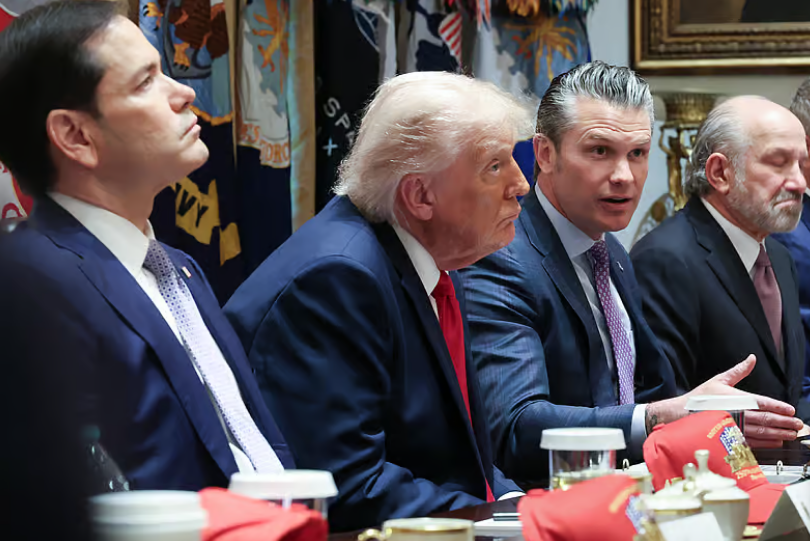
US Defence Secretary Pete Hegseth said Washington retains the military capacity to restart the conflict if necessary, speaking at a defence summit in Singapore. He added that US stockpiles and global force posture ensured readiness for renewed operations if required.
“Our ability to recommence if necessary is that we are more than capable,” Hegseth said, highlighting the US military’s global deployment and weapons readiness. His comments followed a statement from US Central Command, which said American forces remained “present and vigilant across the region.”
The remarks come as President Donald Trump continues to set out conditions for any agreement with Tehran, including a firm prohibition on Iran developing nuclear weapons and the reopening of the Strait of Hormuz. A White House official said any deal would strictly reflect the president’s red lines, adding that Iran must never obtain nuclear capability.
Diplomatic efforts have continued alongside military posturing, with reports suggesting negotiations were close to an initial agreement pending presidential approval. However, Iranian officials have denied that any final deal has been reached.
Tensions intensified this week following US strikes on Iran’s southern port of Bandar Abbas, which were met with retaliatory fire from Iranian forces. The exchanges disrupted fragile diplomatic progress and added pressure to ongoing talks mediated through regional partners.
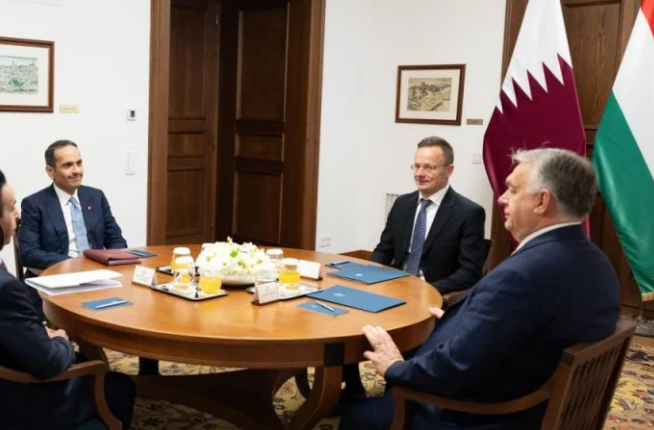
Iranian officials have rejected US conditions, with Foreign Ministry spokesperson Esmaeil Baghaei stating that Tehran no longer accepts unilateral demands. Iranian President Masoud Pezeshkian, speaking to Qatar’s Emir, said Tehran was prepared to pursue what he described as a “dignified framework” to end the conflict.
Public statements from both sides reveal significant differences over key provisions. Trump has suggested that Iran would remove mines from the Strait of Hormuz and that the US would lift restrictions on Iranian ports, with joint coordination on dismantling enriched uranium stockpiles. Iranian sources, however, have dismissed parts of the proposal, including claims regarding toll-free passage and uranium destruction, while demanding the release of frozen assets.
Fighting also continues on a parallel front in Lebanon, where Israeli and Hezbollah forces remain engaged despite an unimplemented ceasefire agreement. Israeli Prime Minister Benjamin Netanyahu said Israeli troops had advanced further north, while Hezbollah reported ongoing attacks against Israeli positions.
The conflict has drawn in multiple regional actors, with indirect negotiations between Israel and Lebanon continuing in Washington. A broader ceasefire remains uncertain, with both sides accusing each other of violations.
On the ground in Iran, public sentiment reflects confusion over competing narratives. One resident in northern Iran said it was unclear which side could be trusted, noting that both governments appear to be shaping their messages for domestic audiences.
With diplomacy ongoing but military readiness maintained, the situation remains highly volatile as efforts to secure a lasting agreement continue without resolution.