Pakistan will host high-level delegations from the United States and Iran on Friday in a bid to negotiate a lasting peace agreement, Prime Minister Muhammad Shehbaz Sharif announced on Wednesday, following what he described as an immediate ceasefire between the two sides.
“I am pleased to announce that the Islamic Republic of Iran and the United States, along with their allies, have agreed to an immediate ceasefire in all theaters, including Lebanon and elsewhere, effective immediately,” Sharif said in a statement posted on X.
The announcement comes after weeks of escalating tensions and military exchanges that have destabilised parts of the Middle East and disrupted global energy markets. Sharif expressed optimism that the upcoming talks in Islamabad would help transform the temporary truce into a broader settlement. “We look forward to sharing more good news in the coming days,” he said, referring to what he called the “Islamabad Talks.”
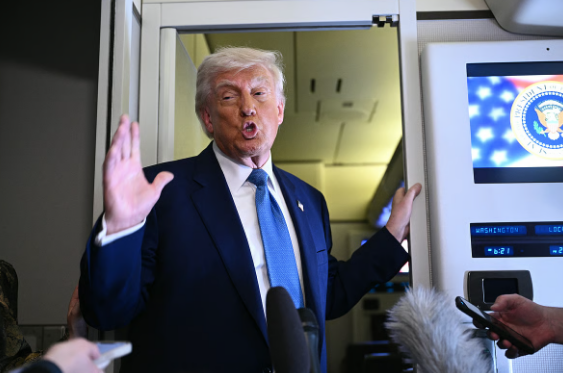
The ceasefire follows a decision by US President Donald Trump late Tuesday to suspend military operations against Iran for two weeks. The pause in hostilities is seen as a critical window for diplomatic engagement, with Pakistan stepping in as a mediator between the two sides.
Earlier, Sharif had urged Trump to extend the deadline for reaching an agreement by two weeks, arguing that additional time would increase the chances of a negotiated outcome. He also called on Iran to reopen the Strait of Hormuz during the pause as a gesture of goodwill, a move that could ease pressure on global oil supplies and signal a willingness to de-escalate.
Pakistan’s role in facilitating dialogue has drawn attention as tensions in the region have intensified. The Strait of Hormuz, a vital maritime route for global energy shipments, has remained a focal point of the conflict, with disruptions contributing to rising oil prices and economic uncertainty worldwide.
Diplomatic efforts have accelerated in recent days, with multiple countries encouraging both Washington and Tehran to engage in direct negotiations. Analysts say the planned talks in Islamabad could represent a significant step toward stabilising the region if both sides commit to sustained dialogue.
Officials have not disclosed details about the agenda or the composition of the delegations expected to attend. However, the focus is likely to include security guarantees, the reopening of key trade routes, and mechanisms to prevent further escalation.
The coming days are expected to be crucial in determining whether the ceasefire can hold and evolve into a more comprehensive agreement. For now, the planned talks offer a rare opportunity for diplomacy after weeks of conflict, with Pakistan positioning itself at the centre of efforts to broker peace between two long-standing adversaries.