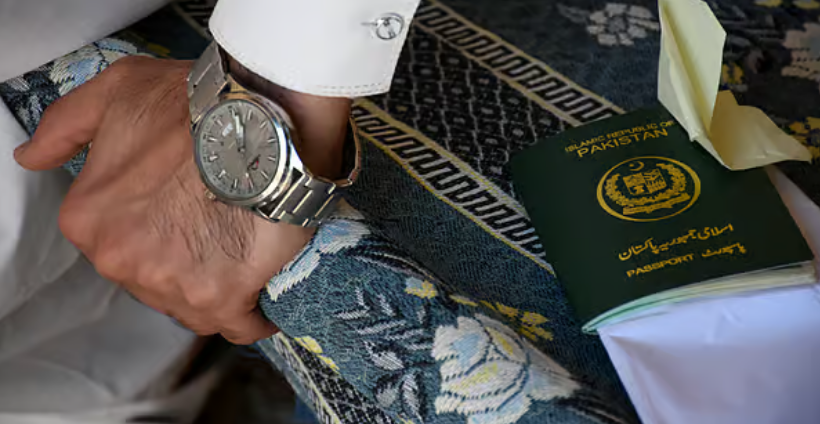
Pakistan is preparing to transition to a fully electronic passport system, replacing traditional machine-readable passports with modern e-passports as part of a broader effort to strengthen security, improve public services and modernize immigration procedures.
The decision was announced during a special meeting held at the Passport and Immigration Headquarters in Islamabad, chaired by Interior Minister Mohsin Naqvi. According to local media reports, the government has approved plans to gradually phase out machine-readable passports, although officials have not yet announced a timeline for completing the transition.
The move is part of a wider programme aimed at enhancing the efficiency and security of passport services for citizens both inside Pakistan and abroad.
E-passports contain an embedded electronic chip that securely stores the holder’s personal and biometric information. The technology is designed to improve identity verification and reduce the risk of fraud or document tampering. Holders of e-passports can also benefit from automated border control systems, including electronic gates available at many international airports.
Officials say the introduction of e-passports aligns Pakistan with global trends in travel documentation, as many countries have adopted similar systems to strengthen border security and streamline passenger processing.
During the meeting, Director General Passports and Immigration Muhammad Ali Randhawa briefed the interior minister on a range of ongoing reforms within the passport system. He informed participants that initial preparations had been completed for a home-delivery service that will allow applicants to receive passports at their residences rather than collecting them from passport offices.
The service is expected to be available both within Pakistan and through the country’s diplomatic missions and consular services overseas. Authorities believe the initiative will reduce inconvenience for applicants and improve access to passport services for overseas Pakistanis.
Randhawa also announced that all passport offices across the country will transition to a cashless payment system beginning July 1. The change will eliminate manual cash transactions conducted through banks and is expected to simplify the application process while increasing transparency and efficiency.
Government officials described the reforms as part of a broader digital transformation agenda focused on improving public services and adopting modern technologies.
The planned introduction of e-passports, combined with cashless payments and home delivery services, represents one of the most significant updates to Pakistan’s passport system in recent years.
While authorities have yet to specify when machine-readable passports will be fully withdrawn, the government’s latest measures signal a clear move toward a more digital and secure travel document system designed to meet international standards and provide greater convenience for citizens.