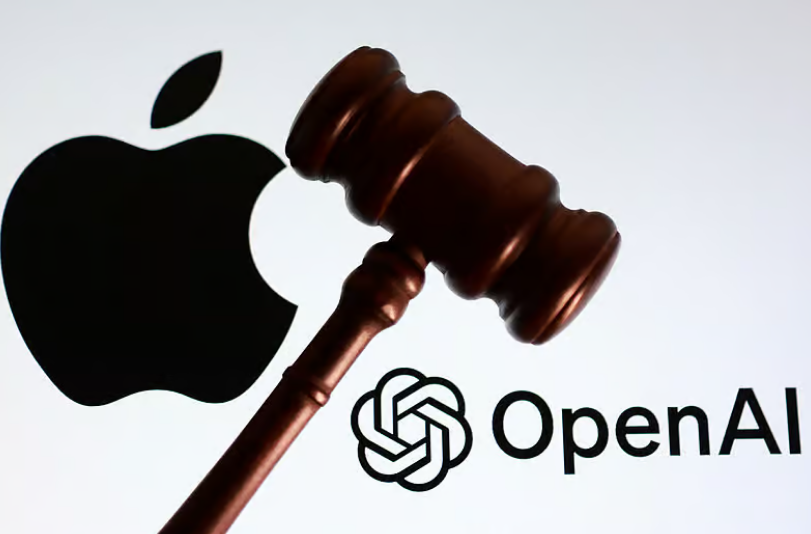
OpenAI has asked a U.S. federal court to dismiss a lawsuit filed by Apple that accuses the artificial intelligence company of misappropriating confidential trade secrets as it expands into the consumer hardware market.
In a motion filed on Wednesday, OpenAI rejected Apple’s allegations and argued that the complaint fails to establish any improper use of the iPhone maker’s proprietary information. The company said it is developing its own products independently and has no interest in relying on Apple’s confidential technology.
“OpenAI has no use, need or desire for Apple’s trade secrets. OpenAI is building something entirely new and different from anything at Apple,” the company’s lawyers said in the court filing.
The filing also defended OpenAI’s recruitment of former Apple employees, saying technology companies regularly compete for experienced engineers, developers and designers. According to the company, many employees chose to leave Apple voluntarily because they were attracted by the opportunity to work on emerging artificial intelligence technologies and new consumer products.
“OpenAI does have an interest in hiring the best engineers, inventors, developers and creators — many of whom have decided to leave Apple and to come to OpenAI, attracted by the innovative and exciting work the company is doing,” the lawyers added.
Apple filed the lawsuit in July, alleging that OpenAI coordinated a broad campaign to obtain confidential information through former Apple employees, recruitment efforts and relationships with suppliers. The company claimed those actions were intended to accelerate OpenAI’s plans to enter the consumer hardware sector, an area long dominated by Apple through products including the iPhone, iPad, Mac and other connected devices.
The lawsuit names OpenAI along with two former Apple employees, accusing them of misappropriating trade secrets and confidential business information. Apple argues that the alleged conduct provided OpenAI with an unfair competitive advantage as it works to expand beyond software and artificial intelligence services into hardware products.
OpenAI has strongly denied the accusations, maintaining that its hardware ambitions are based on original research, engineering and product development rather than confidential information obtained from Apple.
The legal dispute comes as competition intensifies among major technology companies investing heavily in artificial intelligence and next-generation consumer devices. Firms across the sector are racing to combine advanced AI capabilities with new hardware platforms, making experienced engineers and product designers highly sought after.
Trade secret disputes involving employee recruitment have become increasingly common in Silicon Valley as companies compete for talent working on emerging technologies. Courts often examine whether former employees relied on confidential information from previous employers or developed new products independently.
The court will now consider OpenAI’s request to dismiss the case. If the motion is denied, the lawsuit is expected to move into the discovery phase, during which both companies would exchange documents and evidence before any potential trial. The outcome could shape how technology companies recruit talent and protect intellectual property as competition in artificial intelligence and consumer hardware continues to intensify.