Google used its I/O 2026 developer conference to unveil a new generation of AI-powered smart glasses, signalling a renewed push into wearable technology as competition intensifies among global tech giants.
The company introduced two categories of smart eyewear built on its new Android XR platform, developed in partnership with Samsung and Qualcomm. The devices are powered by Google’s Gemini artificial intelligence system and are designed to bring hands-free digital assistance into daily life.
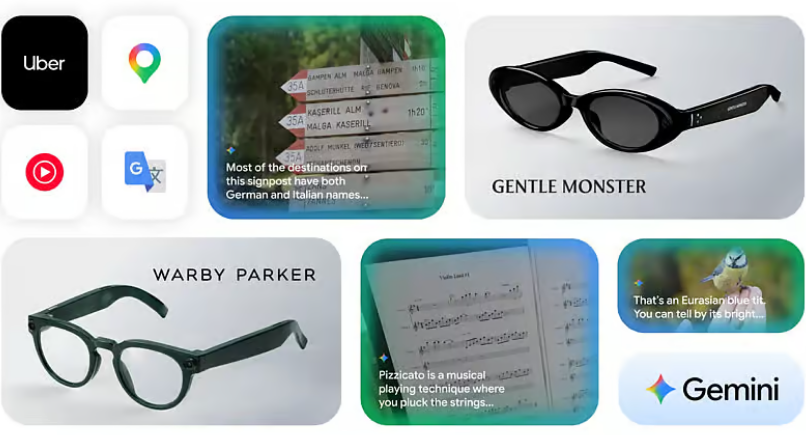
Google said the first products arriving later this year will be audio-based smart glasses featuring built-in speakers and voice controls. Users will be able to activate Gemini by saying “Hey Google” or by tapping the side of the frame to access navigation, translations, messaging summaries and other AI-powered functions.
The company also previewed more advanced display glasses that project information directly into the wearer’s field of view through small in-lens displays. These glasses are still in development but represent Google’s broader ambition to create wearable devices capable of replacing many smartphone functions.
Executives at the conference placed strong emphasis on design, an area where earlier generations of smart glasses struggled to gain mainstream acceptance. Google announced partnerships with eyewear brands Gentle Monster and Warby Parker to create frames that resemble ordinary fashion eyewear rather than futuristic gadgets.
Industry analysts say appearance could play a major role in adoption, particularly in style-conscious markets such as Dubai, where premium consumer technology often gains traction quickly among early adopters.
The main focus of the presentation, however, was Gemini AI itself. Google demonstrated how the glasses can interpret surroundings and respond in real time. Users could ask for restaurant recommendations while walking through a city, receive live translations of menus and signs, follow navigation prompts based on their direction of movement, or control services such as ride-hailing and food delivery apps through voice commands.
Google also showcased an AI photo-editing feature called Nano Banana, allowing users to modify images conversationally after capturing them through the glasses.
The announcement places Google in direct competition with Meta, which has already launched Ray-Ban smart glasses, while Apple continues expanding its mixed-reality ambitions following the release of its Vision Pro headset.
Analysts said Google appears to be positioning Android XR not simply as a wearable gadget platform but as an “ambient AI” ecosystem where artificial intelligence operates continuously in the background to assist users throughout the day.
Questions remain about battery life, privacy concerns surrounding built-in cameras and microphones, and the final pricing of the devices. Google did not announce launch dates or regional pricing for markets including the UAE.
Still, the company’s latest move highlights growing confidence across the technology industry that AI-powered wearables could become the next major shift in consumer electronics after smartphones.