The recent ceasefire involving the United States, Israel and Iran is expected to provide short-term stability for businesses in the United Arab Emirates, though industry leaders warn that global supply chain disruptions will take several weeks to fully resolve.
Executives say the agreement, which includes the reopening of the Strait of Hormuz, will allow companies to resume planning and restore some predictability to operations. However, the backlog of delayed shipments and logistical bottlenecks built up during the conflict will not clear immediately.
Firms anticipate that around 60 to 70 per cent of normal operational flow could resume within two weeks. Clearing accumulated cargo, especially in secondary markets across South Asia and Africa, may take between four and six weeks.
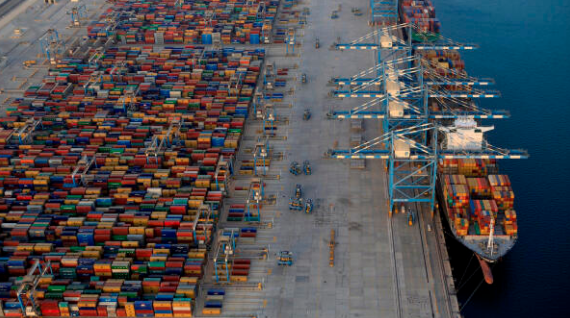
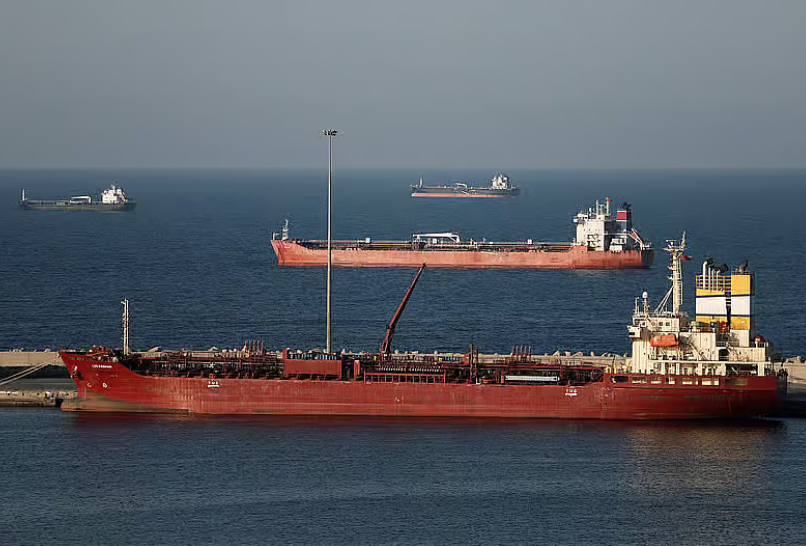
Anis Sajan, vice-chairman of Danube Group, said the ceasefire would ease pressure on the logistics sector by reopening key shipping routes, lowering insurance costs and improving schedule reliability. He noted that recovery would be gradual as ports and shipping networks reposition assets disrupted during the conflict.
“There will be a phased recovery rather than an immediate return to normal,” Sajan said, pointing to vessel congestion and container backlogs that will take time to resolve.
Hakan Ikizoglu, founder and chairman of CargoCrew, said the return of shipping capacity is likely to improve availability and ease space constraints. He added that freight rates could come under pressure as supply stabilises and demand adjusts. Some cargo that shifted to air transport during the disruption is expected to return to sea routes, easing pressure on air freight but tightening margins in that segment.
Ikizoglu also cautioned that jet fuel prices may remain elevated in the short term, while insurers are likely to adopt a cautious approach before restoring normal shipping routes. He said major Gulf hubs could reach partial recovery within weeks, though full normalisation would take longer.
Business leaders across sectors expressed optimism about the broader economic outlook. Kamal Vachani, deputy chief executive of Al Maya Group, described the ceasefire as a turning point that would allow companies to focus again on investment and growth. He said the improved environment would benefit both local businesses and international partners.
Paras Shahdadpuri, chairman of Nikai Group, said the development would help restore confidence and enable forward planning, highlighting the UAE’s stability during regional uncertainty. Bharat Bhatia, chairman and chief executive of Conares, echoed those views, noting that the country’s resilience has supported continued industrial activity despite global challenges.
Anuj Jain, chief executive of Sobha Furniture, said the reopening of the Strait of Hormuz would ease pressure on sourcing and shipping timelines, helping businesses return to more predictable operations.
While the ceasefire has brought immediate relief, industry experts say the pace of recovery will depend on how quickly logistics networks can clear the backlog and whether the truce holds.