Global smartphone shipments fell 11 percent in the second quarter, marking the weakest performance for the April-to-June period since 2013, as a prolonged memory chip shortage pushed up production costs, increased handset prices and weakened consumer demand, according to preliminary estimates from Counterpoint Research.
The market slowdown reflects growing pressure on smartphone manufacturers as memory suppliers continue to prioritize higher-margin artificial intelligence data centre customers over consumer electronics. The resulting supply constraints have driven memory prices higher, forcing handset makers to raise prices, particularly for entry-level and mid-range smartphones.
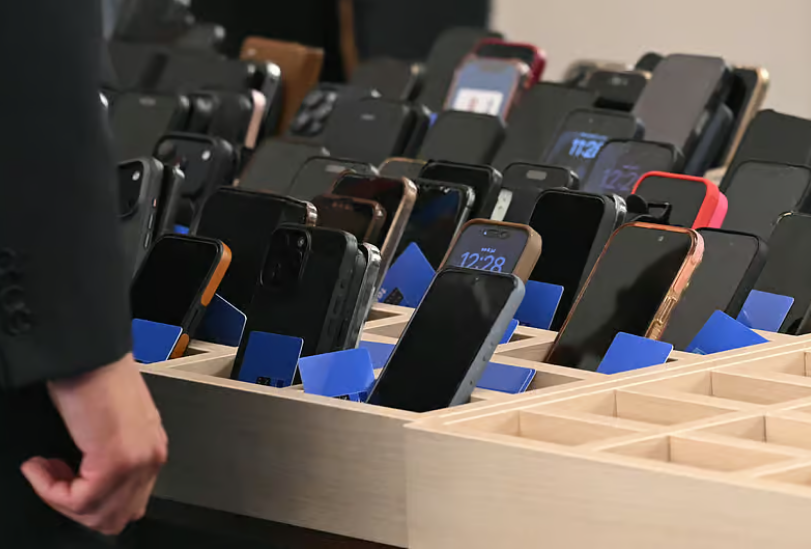
Despite the broader decline, Apple recorded growth during the quarter. The company increased shipments by 3 percent, raising its global smartphone market share to a record 20 percent. Analysts attributed the performance to steady demand for Apple’s premium iPhone models and the company’s decision to keep prices unchanged during the quarter.
However, industry observers expect pricing pressure to build in the coming months as component costs continue to rise. If memory prices remain elevated, manufacturers may have little choice but to pass those costs on to consumers, even in the premium smartphone segment.
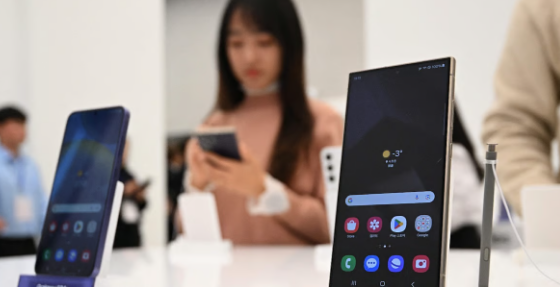
Samsung regained the position of the world’s largest smartphone vendor during the quarter, capturing a 24 percent global market share. The South Korean technology giant benefited from strong demand for its flagship Galaxy S26 series, improved product availability and relatively stable pricing in key markets, including India and the Middle East.
The company’s performance contrasted sharply with several Chinese manufacturers, which faced steeper declines. Xiaomi, Oppo and Vivo recorded the largest shipment drops among the world’s five biggest smartphone brands, highlighting the challenges facing companies that rely heavily on sales of affordable and mid-priced devices. These product categories have been more sensitive to higher component costs and weakening consumer spending.
Counterpoint Research said the memory shortage remains the biggest challenge for the industry. Semiconductor producers continue directing capacity toward AI infrastructure, where demand for advanced memory chips has surged as companies expand data centres to support artificial intelligence applications.
The research firm expects the imbalance between supply and demand to continue for an extended period, limiting recovery prospects for the smartphone market. Counterpoint maintained its forecast that global smartphone shipments will decline by about 14 percent over the full year.
It also warned that the memory supply crunch is likely to persist into 2027, suggesting manufacturers and consumers could continue facing higher device prices and tighter product availability.
While premium brands have shown greater resilience, the overall market outlook remains challenging as rising production costs, cautious consumer spending and ongoing component shortages continue to weigh on smartphone sales worldwide.