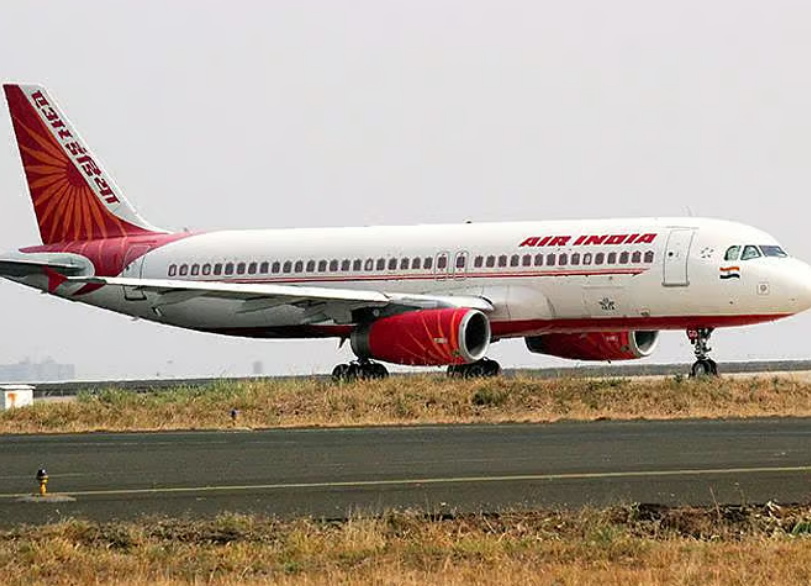
An Air India flight travelling from Delhi to Bengaluru suffered a tail strike while landing at Kempegowda International Airport on Thursday, prompting an investigation by aviation authorities and the grounding of the aircraft involved.
The incident occurred when the airline’s narrow-body Airbus A321 aircraft landed in Bengaluru with 181 passengers onboard. Despite the impact, the aircraft landed safely and all passengers and crew members disembarked without injury.
Air India confirmed the incident in a statement, saying the aircraft had been withdrawn from service following the landing. The airline also cancelled the return flight to Delhi as a precautionary measure.
“The incident will be investigated in accordance with established procedures, in coordination with the relevant regulatory authorities,” an Air India spokesperson said.
The airline added that alternative arrangements were being made for affected passengers, while ground staff in Bengaluru were assisting travellers facing disruptions due to the cancellation.
“Air India regrets the inconvenience caused. The safety of our passengers and crew remains our highest priority,” the spokesperson said.
A tail strike occurs when the rear section of an aircraft makes contact with the runway during takeoff or landing. Such incidents can result from several factors, including incorrect aircraft rotation angles, unstable approaches or hard landings. Aviation experts classify tail strikes as serious safety events because they can potentially damage the aircraft’s structure.
India’s aviation regulator, the Directorate General of Civil Aviation (DGCA), has reportedly begun an inquiry into the incident. The pilots operating the flight have also been removed from active duty pending the outcome of the investigation.
The latest event has again drawn attention to tail strike incidents involving commercial aircraft in India in recent years.
According to the Ministry of Civil Aviation, an IndiGo Airbus A321 Neo aircraft was involved in a similar incident in Chennai last year. The Aircraft Accident Investigation Bureau classified that occurrence as a serious incident.
The Chennai event marked the sixth known tail strike involving IndiGo aircraft within a two-year period. In 2023, the DGCA imposed penalties on the airline after four tail strike incidents were reported within six months.
Aviation safety analysts say tail strikes remain relatively uncommon but are closely monitored by regulators because repeated occurrences may point to training, operational or procedural issues.
The DGCA investigation into the Air India incident is expected to examine cockpit data, landing procedures, weather conditions and aircraft handling during the approach into Bengaluru. Officials are also likely to inspect the aircraft for structural damage before any decision is taken regarding its return to service.
The incident comes at a time when Indian aviation authorities are maintaining increased scrutiny of airline safety practices amid rapid growth in domestic air travel.