The United States military has announced it will begin enforcing a blockade on maritime traffic to and from Iranian ports, following the collapse of high-level negotiations aimed at ending weeks of conflict between Washington and Tehran.
According to United States Central Command, the blockade will take effect Monday morning and apply to vessels entering or leaving Iranian coastal areas, including ports along the Arabian Gulf and the Gulf of Oman. The move comes after talks held in Islamabad failed to produce an agreement, raising concerns about the stability of a fragile two-week ceasefire.
The discussions, which began on Saturday and continued into early Sunday, marked the first direct engagement between the two countries in over a decade and the most senior-level contact since the Iranian Revolution. The ceasefire, introduced days earlier, had aimed to halt six weeks of fighting that has left thousands dead and disrupted global energy supplies.
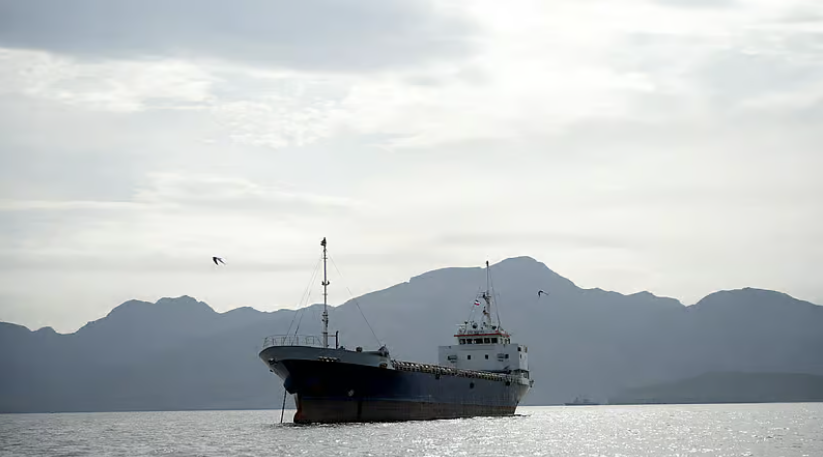
Under the new measures, US forces will not interfere with ships passing through the Strait of Hormuz if they are traveling to non-Iranian ports. However, Donald Trump said vessels that pay tolls to Iran could be intercepted in international waters. He also warned of military action against any Iranian forces targeting ships or US assets.
The announcement has already rattled global markets. Oil prices surged sharply in Asian trading, climbing above $100 per barrel, while investors shifted toward the US dollar amid uncertainty. Shipping activity in the Strait of Hormuz, a vital route for around 20 percent of the world’s energy supply, showed early signs of disruption as some tankers altered course ahead of the blockade.
Tehran reacted strongly to the US move. The Islamic Revolutionary Guard Corps warned that any foreign military vessels approaching the strait could be treated as violating the ceasefire, heightening fears of escalation.
Iranian officials said negotiations had made progress on some issues but stalled over key demands. Washington reportedly insisted on a halt to uranium enrichment and an end to Iran’s support for regional armed groups, conditions Tehran rejected. Iranian Foreign Minister Abbas Araqchi accused the US of shifting its demands and undermining trust just as an agreement was within reach.
Despite the breakdown, President Trump signaled mixed expectations about future talks, at times expressing confidence that Iran would return to negotiations, while also suggesting the US could proceed without further engagement.
Analysts warn that even if the ceasefire holds, restoring normal energy flows in the region could take time, potentially driving up fuel costs and adding pressure to the global economy in the months ahead.