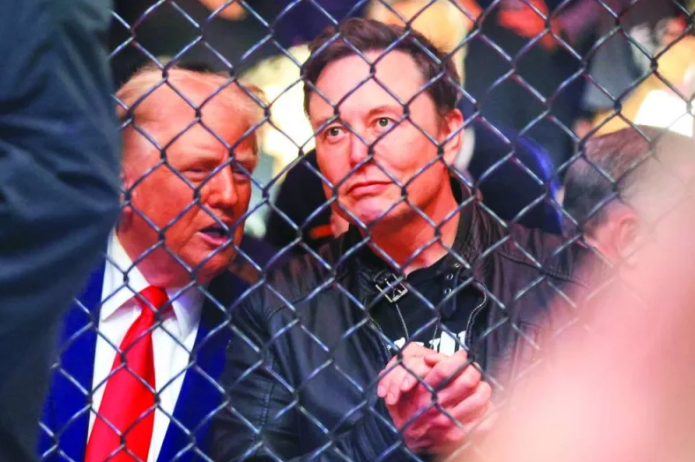
US President Donald Trump said on Tuesday that Washington would briefly pause its naval operation to escort commercial vessels through the Strait of Hormuz, citing what he described as “great progress” toward a broader agreement with Iran.
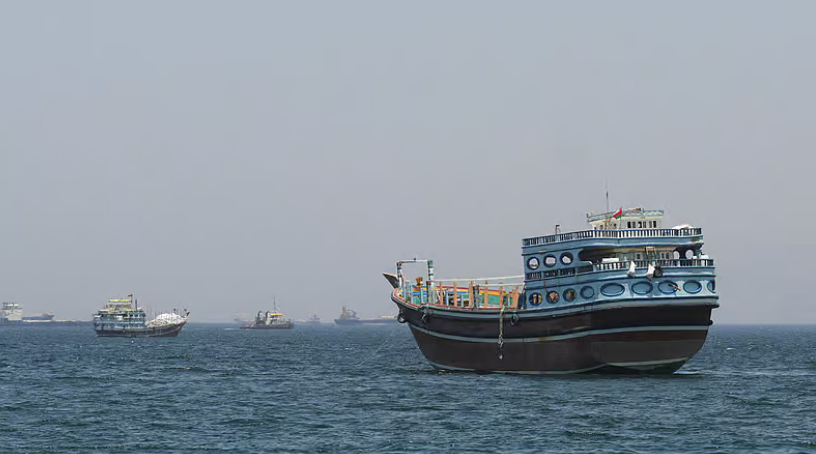
The announcement came hours after Secretary of State Marco Rubio outlined efforts launched earlier this week to guide stranded tankers out of the Gulf. The waterway, which handles roughly one-fifth of global oil shipments, has been largely shut since fighting erupted, contributing to a global energy shock.
Rubio said the United States had achieved its immediate objectives under “Operation Epic Fury,” the military campaign launched on February 28 alongside Israel. “Operation Epic Fury is concluded,” he told reporters at the White House, adding that Washington was not seeking further escalation.
Tensions remain high despite the pause. Iran has threatened to deploy mines, drones, missiles and fast-attack boats to control access to the strait, while US forces have responded by blockading Iranian ports and escorting commercial shipping. The US military said it destroyed several Iranian vessels, along with cruise missiles and drones, during recent operations.
Defense Secretary Pete Hegseth said a secure corridor had been established for shipping, with hundreds of vessels waiting to pass through. He added that a fragile ceasefire remains in place but warned that the situation is being closely monitored.
General Dan Caine said recent Iranian actions had not crossed the threshold required to trigger a return to large-scale combat. When asked what might violate the ceasefire, Trump responded that Iran “knows what not to do.”
Even as diplomatic signals emerged, reports of fresh incidents continued. Britain’s maritime monitoring agency said a cargo vessel was struck by a projectile in the strait, though details were limited. Separately, the Ministry of Defence UAE said its air defence systems intercepted missile and drone threats it attributed to Iran, a claim denied by Tehran.
The Ministry of Foreign Affairs UAE described the attacks as a serious escalation and said the country reserved the right to respond. Iran’s foreign ministry maintained that its actions were defensive and aimed at countering US operations.
The conflict has disrupted global trade and pushed energy prices higher, with thousands reported dead across affected regions, including Lebanon and the Gulf. The head of the International Monetary Fund warned that even if hostilities ended immediately, economic fallout could take months to stabilise.
Trump said Iran appeared open to de-escalation, while US officials pointed to ongoing mediation efforts. Iranian Foreign Minister Abbas Araqchi is continuing diplomatic engagements, including talks in Beijing, as indirect negotiations persist with international involvement.
Despite these developments, no formal agreement has been reached, and further talks remain uncertain as both sides continue to test the limits of the fragile truce.