Sri Lanka increased the price of liquefied petroleum gas (LPG) on Monday by nearly a quarter, citing rising global energy costs linked to the ongoing conflict involving Iran. The move adds to mounting pressure on households already grappling with higher living expenses.
The price hike follows an earlier increase of around eight percent last month, reflecting continued volatility in global energy markets. Sri Lanka, which relies entirely on imports for its oil and also purchases coal for electricity generation, remains particularly exposed to such shocks. Officials have warned that a prolonged conflict in the Middle East could undermine the country’s fragile recovery from its 2022 economic crisis.
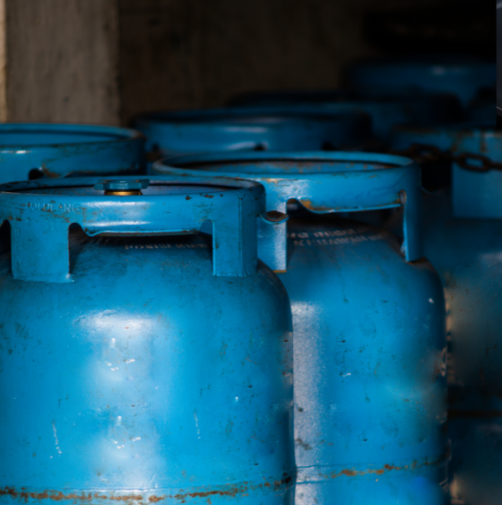
A private supplier, accounting for roughly a quarter of the domestic LPG market, raised its retail price by 23 percent to 5,700 rupees ($18.08), up from 4,630 rupees. State-owned Litro Gas, the country’s main LPG provider, increased the price of a 12.5-kilogramme cylinder by 19.42 percent to 4,765 rupees ($15.62), from 3,990 rupees.
“We have supplies for the entire month of April,” a Litro spokesperson said, attributing the increase to higher global LPG prices and rising shipping costs.
The adjustments come after Sri Lanka raised fuel and electricity tariffs by more than a third last month, as global energy prices climbed sharply following US and Israeli strikes against Iran and subsequent retaliatory actions. The conflict has disrupted key supply routes, pushing up costs for countries dependent on imports.
A major concern is the Strait of Hormuz, a strategic waterway through which about 20 percent of global oil and gas exports typically pass. Since the outbreak of hostilities, the route has been effectively closed, tightening supply and driving up prices worldwide.
Economists warn that sustained increases in energy costs could place additional strain on Sri Lanka’s economy, which is still recovering from a severe financial crisis marked by shortages of fuel, food, and foreign currency. Higher LPG prices are expected to impact households directly, as cooking gas is widely used across the country.
Businesses may also feel the effects, particularly in sectors dependent on energy-intensive operations. Rising costs could feed into broader inflation, complicating efforts by authorities to stabilise the economy and support growth.
Officials have indicated that they will continue monitoring global market developments, while maintaining supply levels to avoid shortages. However, with international energy markets remaining volatile, further price adjustments cannot be ruled out in the coming months.
The latest increase highlights Sri Lanka’s vulnerability to global energy disruptions and the challenges it faces in sustaining its economic recovery amid external shocks.