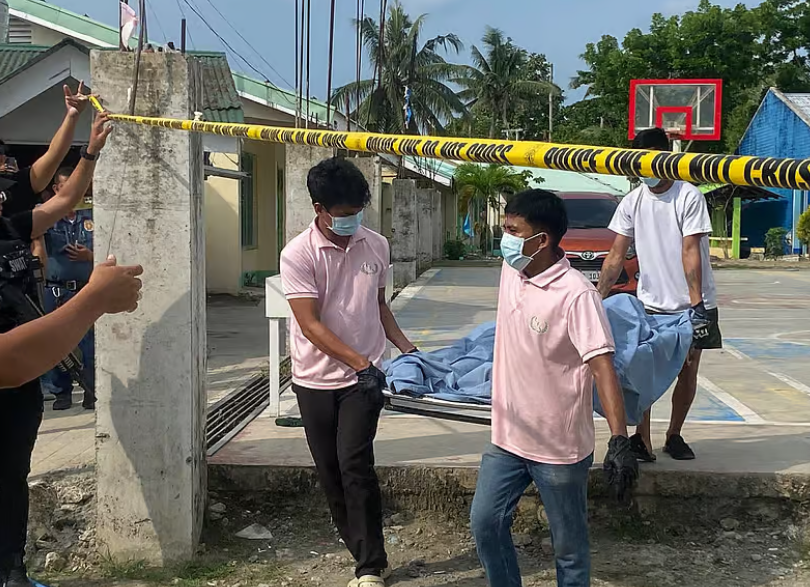
The fatal school shooting in central Philippines that claimed the lives of three high school students has reignited a long-running debate over the country’s minimum age of criminal liability, with politicians, child rights advocates and lawmakers sharply divided on how to respond.
The shooting, which took place on June 22 in Tacloban City, allegedly involved two teenagers aged 14 and 15. The incident has prompted renewed calls from some political figures to lower the age at which children can be held criminally responsible. The Philippines currently sets the minimum age of criminal liability at 15 under the Juvenile Justice and Welfare Act (JJWA).
Among the strongest supporters of lowering the age is Senator Robinhood Padilla, who has revived a proposal to reduce it to 10 years old. The proposal gained attention after families of the victims demanded that both suspects face jail time.
Authorities have responded to the shooting by increasing security measures at schools nationwide. The Philippine National Police deployed armed officers in and around educational institutions, while some schools introduced bag inspections for students entering campuses.
The measures have drawn criticism from child rights advocates. Former social welfare official Mae Fe Ancheta-Templa argued that increased police presence around schools does not address the root causes of youth violence and risks reinforcing a punitive approach toward children.
The debate has also prompted clarification of the current law. Senator Francis Pangilinan, who authored the JJWA, said the 15-year-old suspect could face criminal prosecution, while the 14-year-old would remain under the custody of the Department of Social Welfare and Development for rehabilitation and intervention programs.
Critics of lowering the age of criminal liability point to data suggesting that stricter measures against children do not reduce crime. Templa noted that incidents involving children in conflict with the law have declined since the JJWA was enacted in 2006. Official figures show that children account for only a small fraction of reported crimes, with adults responsible for approximately 98 percent of offences.
The discussion widened after Ferdinand Marcos Jr. expressed openness to reviewing the law. His remarks were met with opposition from Sarah Elago, who warned that reducing the age threshold could weaken child protection measures and focus on punishment rather than rehabilitation.
Elago argued that violence among young people reflects broader social problems, including exposure to aggression, bullying and impunity. She said addressing those issues would be more effective than lowering the age of criminal responsibility.
Child welfare advocates are instead calling for stronger implementation of existing laws, expanded social services, better-trained social workers and increased support for families and communities. They argue that prevention, education and rehabilitation remain the most effective tools for reducing youth crime.
The debate is expected to continue as lawmakers examine possible changes to the country’s juvenile justice system in the aftermath of the Tacloban tragedy.