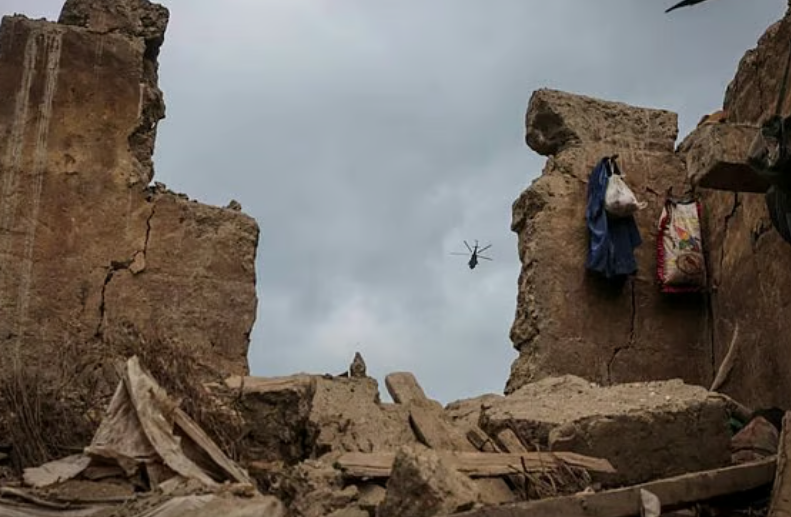
Nepal has temporarily suspended search and rescue operations in one of the country’s worst-hit areas because of heavy rain and poor visibility, while the government seeks specialised foreign assistance to deal with the aftermath of a devastating flood near the Tibet border.
The Himalayan nation is also facing an enormous reconstruction bill. Finance Minister Swarnim Wagle told Reuters that Nepal’s initial estimate for rebuilding damaged infrastructure and restoring affected communities was between $4 billion and $5 billion. He stressed that the figure could change as officials continue assessing the destruction.
The disaster struck on Wednesday after a glacier collapse sent a huge torrent of rock, ice, mud and debris through mountain river systems. At least 633 people have died in Nepal and seven in Tibet, with buildings, bridges and power facilities swept away.
Nearly 3,000 people remain missing, including about 2,426 in Nepal and at least 558 in China’s Tibet region. At least 540 of those missing are foreigners, many of them Indian Hindu pilgrims who had travelled to the region.
Narendra Pariyar, the senior official in the badly affected Rasuwa district, said rescue teams were unable to continue their work because of rain and fog.
The immediate priority has shifted toward arranging land transport to bring rescued pilgrims and other survivors safely to Kathmandu.
Rescue efforts were also briefly suspended on Friday after a lake formed near the Nepal-China border began overflowing into the Lhende Khola and Trishuli rivers. Nepal is monitoring two lakes upstream from the affected area, with officials warning that flood risks will continue until both bodies of water drain.
China’s state-run Xinhua news agency reported that one of the lakes was shrinking. A Chinese geohazards expert, however, warned that it could remain unstable. More than 100 other glacial lakes in the surrounding region could also present dangers.
Nepal’s Foreign Minister Shisir Khanal said the country was not seeking general search and rescue assistance but needed specialised technical support. Requests have been made for help rescuing people trapped in tunnels, reopening transport and communications routes, identifying bodies, carrying out DNA testing and preserving bodies for longer periods.
India has already sent three flights carrying about 60 tonnes of relief supplies, including food, medicines, blankets and water purification tablets. New Delhi has also offered disaster response personnel, tunnel rescue specialists, medical teams, prefabricated bridges and technical assistance to restore damaged connections.
China has called for emergency assistance to affected areas and international cooperation in rescue operations.
In Tibet, rescuers have been searching for more than 500 missing people. Teams reached the badly damaged Gyirong border crossing on Friday after travelling through difficult mountain terrain. Roads leading to the area were destroyed, forcing rescuers to use ropes to cross forests and steep cliffs.
Footage from surveillance cameras showed powerful flows of water and debris sweeping through the border complex as people attempted to escape.
With further rain expected and unstable glacial lakes still being monitored, authorities remain concerned that additional flooding could hamper rescue efforts and cause further damage.