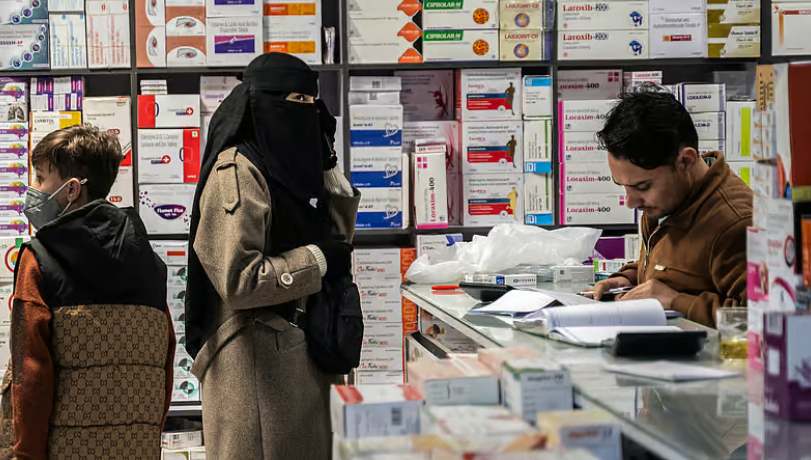
Kuwait has announced a major reduction in the prices of medicines and healthcare products as part of a broad effort to make pharmaceutical treatments more affordable and position the country as the lowest-cost medicines market in the Gulf region.
The decision, announced on Sunday by Ahmed Abdulwahab Al‑Awadhi, includes price cuts for 1,922 medicines, pharmaceutical products and dietary supplements. The Ministry of Health said the move is aimed at reducing financial pressure on patients while strengthening Kuwait’s healthcare system and expanding access to modern treatments.
The ministry also approved 268 new medicines and health products for the local market, part of a wider strategy to modernise the country’s pharmaceutical sector and increase the availability of advanced therapies.
Health officials said the revised pricing list covers a broad range of medical treatments, including drugs used for obesity, diabetes, asthma, cardiovascular diseases, hypertension and cancer. Authorities also highlighted the inclusion of newer antibiotics and antimicrobial medications aligned with international treatment standards.
The government said the pricing framework was developed using Gulf and international benchmarks to ensure medicines in Kuwait remain competitively priced compared with neighbouring countries. Officials added that the initiative reflects a long-term commitment to improving healthcare accessibility and ensuring patients have access to high-quality treatment options at lower costs.
The announcement comes amid rising healthcare spending across the Gulf region, where governments are under pressure to balance expanding medical services with the growing cost of imported pharmaceuticals and advanced treatments.
Kuwait’s Ministry of Health said the latest measures form part of a continuing review of medicine pricing policies designed to improve market stability and prevent excessive costs for consumers. Authorities believe lower prices will also encourage wider use of modern therapies and improve public health outcomes.
The pharmaceutical reforms are expected to benefit patients managing chronic illnesses, particularly those requiring long-term medication. Treatments for diabetes and cardiovascular conditions represent a significant share of healthcare demand across the Gulf, where lifestyle-related diseases continue to rise.
Officials said the addition of new medicines would widen treatment options available through pharmacies and healthcare providers while supporting the country’s broader healthcare development goals.
The ministry did not specify the exact percentage reductions applied to individual medicines but indicated that prices would now rank among the lowest in the Gulf Cooperation Council region.
Analysts say Kuwait’s decision could increase competitive pressure on pharmaceutical pricing policies elsewhere in the Gulf, particularly as governments continue expanding healthcare investment and public health programmes.
The move also aligns with broader regional efforts to strengthen healthcare systems, improve drug accessibility and ensure stable supplies of essential medicines following recent global supply chain disruptions and rising demand for advanced medical treatments.