Tensions between Iran and the United States escalated sharply on Tuesday, as Tehran showed no indication of complying with President Donald Trump’s deadline to reopen the Strait of Hormuz, a critical route for global oil shipments.
As the deadline approached, military strikes across Iran intensified, with Iranian media reporting attacks on railway and road bridges, an airport, a petrochemical facility and power infrastructure. Explosions were also reported on Kharg Island, home to one of the country’s key oil export terminals. Power outages were recorded in areas west of Tehran after strikes on transmission lines and substations.
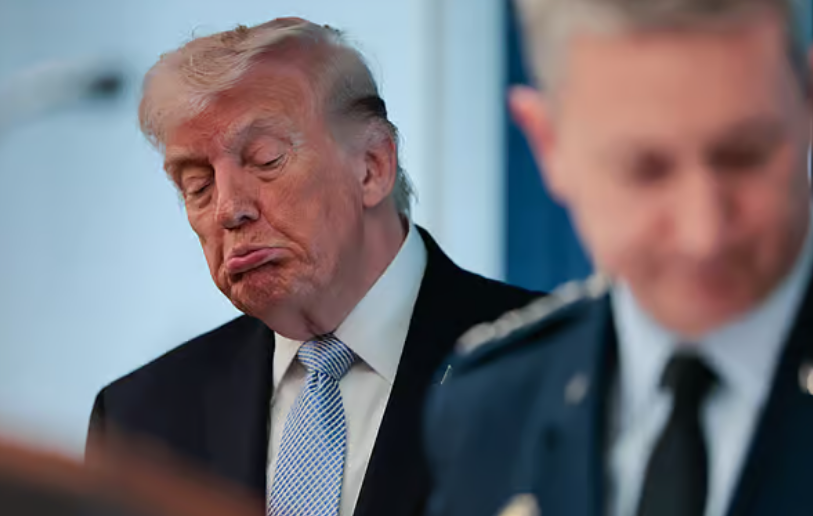
Trump warned of severe consequences if Iran failed to comply, posting on social media that “a whole civilisation will die tonight” unless a last-minute agreement was reached. He has previously threatened to destroy key infrastructure across Iran, including bridges and power plants, within hours of the deadline passing.
Iran responded with its own warnings, declaring it would no longer exercise restraint in targeting infrastructure in Gulf states aligned with Washington. Iranian officials claimed responsibility for fresh strikes on a vessel in the Gulf and industrial sites in Saudi Arabia linked to US firms. The country’s Revolutionary Guards said any continued attacks would result in long-term disruption to oil and gas supplies for the United States and its regional allies.
Diplomatic efforts appear to have stalled. A senior Iranian source said Tehran had rejected a proposal for a temporary ceasefire conveyed through intermediaries. Iran has insisted that any negotiations must follow a full halt to US and Israeli military operations, guarantees against further attacks and compensation for damage. It has also demanded continued control over the Strait of Hormuz, including the ability to impose fees on passing vessels.
The conflict, which began after joint US-Israeli strikes on February 28, has already disrupted global energy markets. The strait, which typically carries around a fifth of the world’s oil and liquefied natural gas, remains largely closed, with limited passage granted to select vessels.
Mediation efforts led by Pakistan have reached what officials described as a critical stage, though no breakthrough has been announced. Iranian authorities acknowledged proposals for a temporary truce but reiterated their demand for a comprehensive settlement, including sanctions relief and reconstruction guarantees.
Despite the escalating rhetoric and military activity, global markets remained cautious, with investors uncertain whether the United States would follow through on its threats or pull back at the last moment.
On the ground, civilians expressed fear over the possibility of further escalation. Residents in cities such as Isfahan voiced hope that the latest warnings might not materialise, noting that similar threats in recent weeks had not always been carried out.
With no agreement in place and both sides maintaining firm positions, the situation remains highly volatile, raising concerns of a broader regional conflict with significant economic and humanitarian consequences.