India will reduce the prices of as many as 137 cancer medicines by up to 70 per cent from November 9, as the government expands price controls to make treatment more affordable for patients.
The Ministry of Chemicals and Fertilizers announced the decision on Saturday, saying trade margins on the medicines would be capped at 30 per cent of their maximum retail prices.
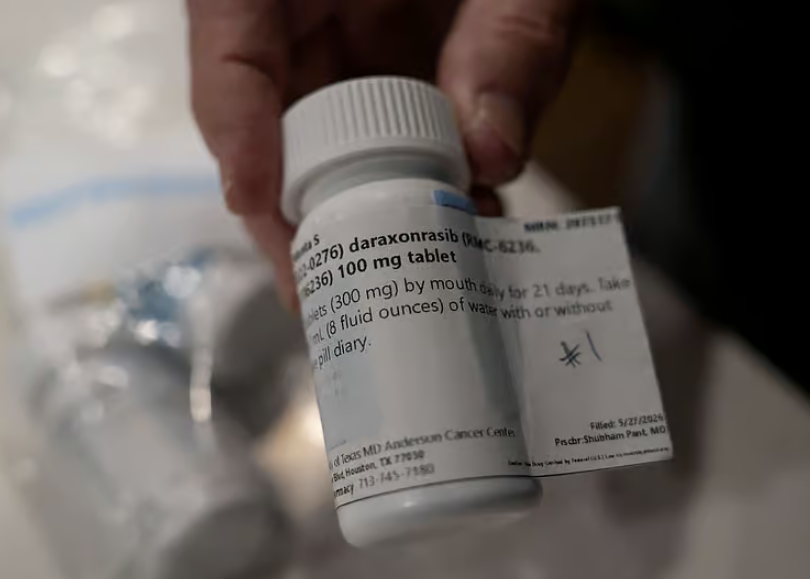
The measures cover a range of cancer treatments, including immunotherapy drugs used against more than 20 types of cancer. The medicines also include treatments for breast, prostate, colon, ovarian and cervical cancers.
The price reductions are intended to ease the financial burden on patients requiring cancer treatment, which can involve prolonged courses of medication and substantial medical expenses. The government’s latest move extends its efforts to regulate medicine prices and improve access to essential treatments.
Under the new rules, the limit on trade margins is expected to restrict the difference between the maximum retail prices and the prices at which medicines enter the distribution chain. The ministry said the changes would apply to the 137 medicines from November 9.
The announcement builds on a price-control programme introduced in 2019, when India brought 42 anti-cancer drugs under similar measures. Those controls reduced prices by as much as 90 per cent for some medicines.
The earlier initiative sought to make cancer treatment more accessible by limiting the margins charged across the pharmaceutical supply chain. The expansion to 137 medicines represents a broader application of the government’s pricing policy to cancer care.
Cancer treatment costs remain a significant concern for patients and families, particularly when advanced therapies are required. Immunotherapy, which helps the immune system recognise and attack cancer cells, has become an important treatment option for several forms of the disease. However, such medicines can be expensive, placing pressure on household budgets.
By extending price controls to a wider range of medicines, the government aims to reduce costs for patients who depend on these treatments.
The announcement did not specify the individual revised prices of all 137 medicines or provide a breakdown of the expected savings for patients. The extent of the reduction will therefore vary according to the medicines covered and their existing retail prices.
The new measures will take effect on November 9, extending India’s efforts to regulate pharmaceutical pricing and improve the affordability of cancer medicines across the country.