The developments cast doubt on attempts by US President Donald Trump’s administration to ease tensions in the region and pursue a broader diplomatic understanding with Iran, which has linked any future agreement with Washington to an end to hostilities in Lebanon.
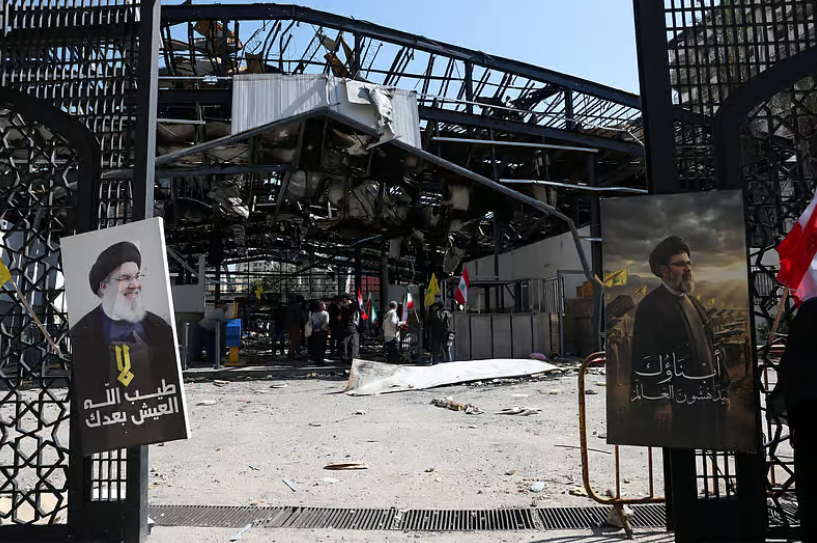
Hezbollah leader Naim Qassem dismissed the proposed ceasefire arrangement negotiated between Israel and the Lebanese government, stating that the group was not involved in the talks and would not accept an agreement reached without its participation. The rejection highlighted the challenges facing diplomatic efforts to halt a conflict that has intensified since Israel launched military operations in Lebanon in March alongside its confrontation with Iran.
Neither the Israeli nor Lebanese governments immediately responded to Hezbollah’s position.
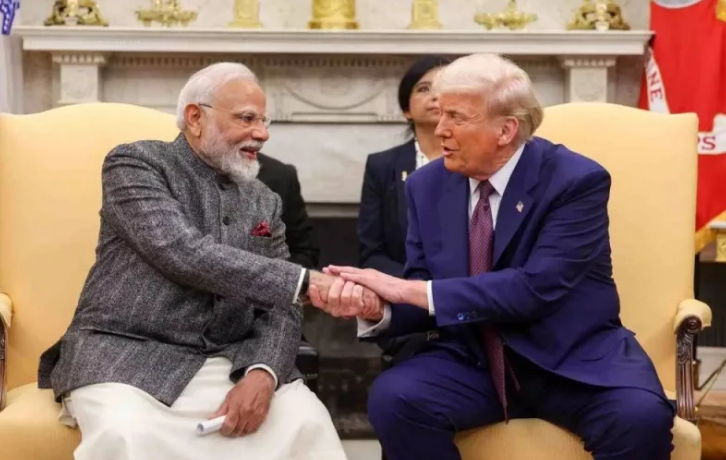
Speaking in Washington, Trump said he remained hopeful that progress could be achieved, telling reporters that Lebanon deserved peace after years of instability and conflict. Despite those remarks, fighting continued on the ground.
Israeli Defence Minister Israel Katz said Israeli forces would not withdraw from Lebanon and would continue military operations. Israeli strikes were reported in southern parts of the country throughout the day.
Iran also signaled its dissatisfaction with the situation. The commander of the Revolutionary Guards’ Quds Force, the branch that helped establish Hezbollah in 1982, said Israel must at least return to positions it held before the current war began.
The conflict has also had broader economic consequences. A key maritime route used for transporting oil and liquefied natural gas has remained largely disrupted during the three-month war. Under normal conditions, roughly one-fifth of global oil and LNG supplies pass through the strategic waterway.
Iran’s oil exports have dropped to their lowest level in six years, according to shipping data. Even so, global oil prices fell about three percent on Thursday as investors reacted to hopes that a Lebanon ceasefire could open the door to wider diplomacy between Washington and Tehran.
Despite repeated statements from Trump since late March suggesting that an agreement could be near, little concrete evidence of a breakthrough has emerged. The US president also faced domestic political pressure this week when the House of Representatives approved a largely symbolic measure opposing the continuation of the conflict.
In Tehran, Supreme Leader Ayatollah Mojtaba Khamenei said Iran’s adversaries had failed on the battlefield and were now attempting to create divisions within the country.
Trump reiterated that preventing Iran from obtaining nuclear weapons remained a primary US objective. Iran maintains that its nuclear programme is intended for peaceful purposes. On Thursday, the United Nations nuclear watchdog reported that Iran’s nuclear activities appeared largely unchanged despite three months of conflict.