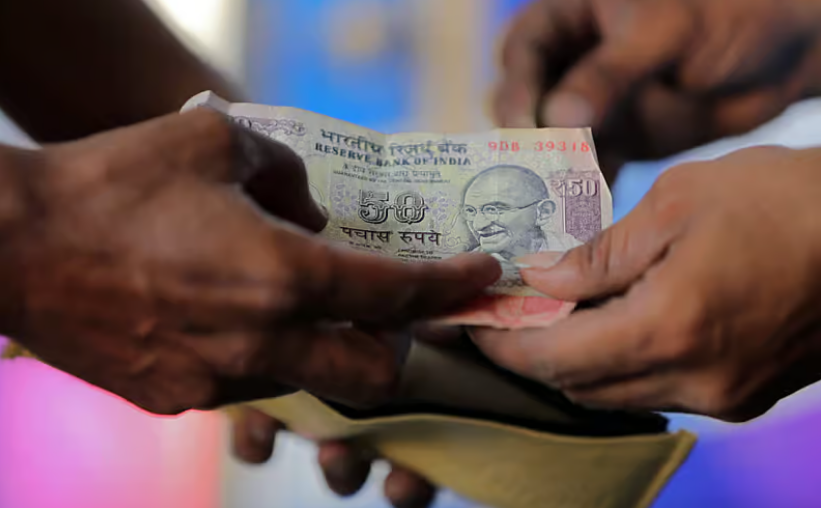
The Indian rupee’s slide toward the 94-per-dollar mark has become a key signal for investors, policymakers and overseas Indians, particularly those based in the Gulf, as a mix of global and domestic pressures weighs on Asia’s third-largest economy.
Currency analysts say the recent decline reflects a combination of surging oil prices, a strong US dollar, foreign capital outflows and heightened geopolitical tensions in the Middle East. Together, these factors have created what many describe as a “perfect storm” for emerging-market currencies.
A major driver behind the rupee’s weakness is the sharp rise in crude oil prices, which have climbed above $100 a barrel in recent weeks. India imports nearly 90 per cent of its oil requirements, making it highly vulnerable to energy price shocks. As import costs rise, demand for dollars increases, widening the trade deficit and putting downward pressure on the currency. Disruptions linked to tensions around the Strait of Hormuz have added to these concerns.
The strength of the US dollar has also played a significant role. Higher interest rates in the United States and rising Treasury yields have attracted global investors to dollar-denominated assets, reducing capital flows into emerging markets such as India. This shift has accelerated the rupee’s depreciation as investors move funds out of local assets.
Market participants are now watching whether the rupee could weaken further toward 95 per dollar. Analysts say this remains possible if oil prices stay elevated, US interest rates remain high and foreign investment outflows continue. However, India’s substantial foreign-exchange reserves and steady services exports are expected to prevent any sharp or disorderly fall.
The widening trade deficit remains a longer-term concern. India imports significantly more than it exports, particularly in sectors such as crude oil, electronics and machinery. This structural imbalance keeps demand for dollars high, especially during periods of rising commodity prices.
Geopolitical tensions in the Middle East have intensified the situation by increasing shipping and insurance costs while also raising investor caution. For an economy heavily dependent on energy supplies from the Gulf, such disruptions quickly translate into currency volatility.
The Reserve Bank of India has stepped in to stabilise the rupee by selling dollars from its reserves and managing excessive fluctuations. Economists note that these interventions, along with strong domestic demand, are helping to maintain market confidence.
A weaker rupee is likely to push inflation higher, as the cost of imported goods such as fuel and fertilisers rises. This presents a challenge for policymakers balancing price stability with economic growth.
For overseas Indians, particularly in the Gulf, the currency’s decline has a different impact. A weaker rupee increases the value of remittances, encouraging higher transfers back home.
While the rupee’s fall has raised concerns, economists say it is largely driven by external factors rather than underlying weaknesses in India’s economy, which continues to show resilience despite global uncertainty.