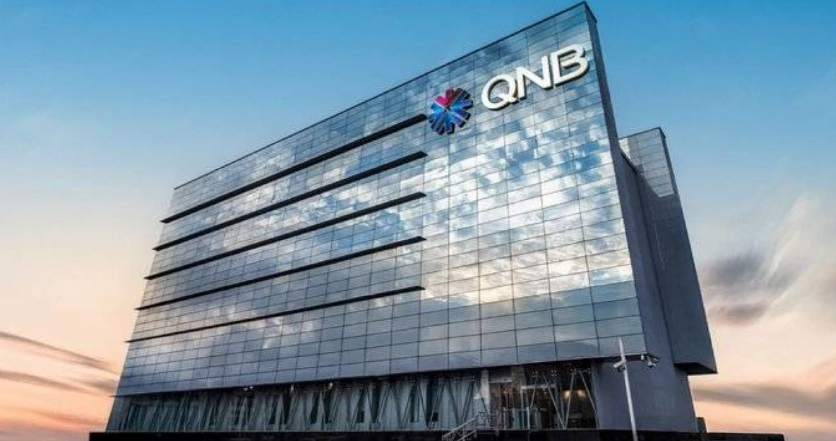
Qatar National Bank (QNB) has warned that an external shock in the energy sector could push the European Central Bank (ECB) into a difficult policy trade-off, as rising inflation risks collide with weakening growth prospects.
In its latest weekly report, QNB said persistently high energy prices, driven by disruptions linked to the Middle East conflict, could force the ECB to reconsider its current policy stance and potentially return to monetary tightening.
The report noted that the ECB had spent the past two years bringing inflation back toward its 2% target after a sharp tightening cycle that lifted its deposit rate to 4% in response to price surges following the COVID-19 pandemic and the Russia-Ukraine war. By June 2024, the central bank began cautiously easing policy, lowering the deposit rate to around 2%, a level widely viewed as neutral for economic activity.
At the start of 2026, expectations were that inflation would stabilise near target while economic growth gradually improved, with euro area GDP forecast to expand by 1.5%. However, QNB said recent volatility in global energy markets has significantly altered that outlook.
Supply disruptions and shipping constraints have driven oil and gas prices higher, with the euro area particularly exposed to natural gas shocks due to their role in electricity pricing. This is expected to feed directly into inflation, increasing pressure on policymakers.
QNB highlighted that the ECB’s primary mandate is price stability, unlike the US Federal Reserve’s dual focus on inflation and employment. As a result, the ECB is more likely to respond decisively to rising inflation, even if it comes at the expense of economic growth.
The bank outlined two possible scenarios. In a base case, geopolitical tensions ease in the coming weeks and shipping flows through key routes such as the Strait of Hormuz resume. Under this scenario, energy prices could fall toward $80 per barrel, while inflation rises modestly to between 2.5% and 3%. The ECB could then hold interest rates steady, treating the energy shock as temporary.
In a more adverse scenario, the crisis persists for several months, keeping energy prices elevated and spreading inflation across the wider economy. Energy costs, which account for more than 9% of the consumer price basket, would push inflation as high as 4.5% and keep it above target for an extended period.
In such a case, QNB expects the ECB to prioritise controlling inflation, potentially raising its deposit rate to around 2.75% by the end of the year, a level that could weigh on economic activity.
The report said the ECB now faces a complex challenge as it balances inflation control with fragile growth. The coming four to six weeks are expected to be critical, as developments in energy markets and inflation data will shape the central bank’s next moves.