Devastating floods and landslides have claimed the lives of 1,003 people in Indonesia, authorities said Saturday, as the country struggles to provide relief to affected communities. The disaster, which has struck the northwestern island of Sumatra over the past two weeks, has left more than 5,400 injured, according to the National Disaster Mitigation Agency (BNPB).
The torrential rains have been described as among the worst recent disasters to hit Sumatra, an island already scarred by the 2004 tsunami in Aceh province at its northern tip. At least 218 people remain missing, and the final death toll is expected to rise as rescue teams continue their search operations.
The floods have displaced around 1.2 million residents, forcing them into temporary shelters across the affected provinces. Vast tracts of land remain submerged or at risk of landslides, complicating rescue and relief operations.
Frustration has grown among flood victims, who have criticized the pace of government aid and logistical support. Reports from evacuation centers highlight overcrowding and shortages in some remote areas, although officials say basic necessities have been distributed to the majority of displaced people.
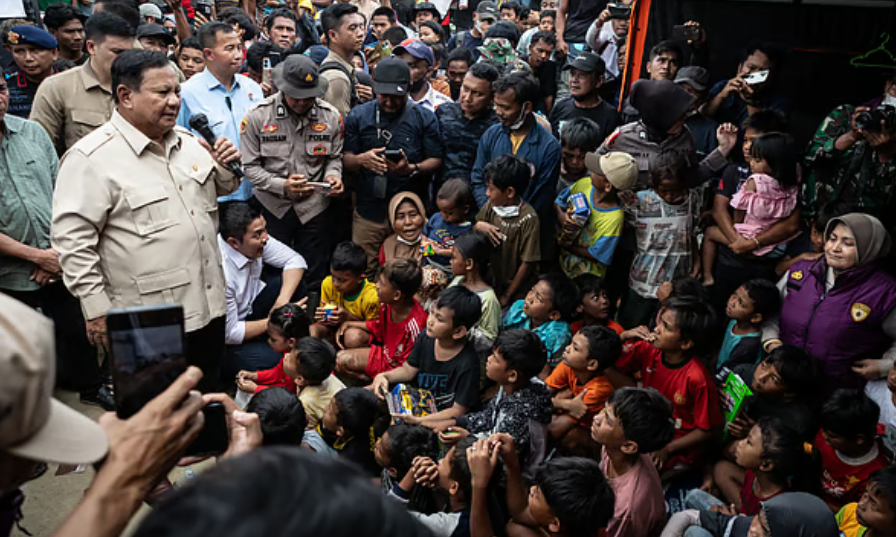
President Prabowo Subianto visited Langkat in North Sumatra province on Saturday, seeking to assess the situation firsthand. He acknowledged minor delays in relief efforts due to natural and logistical challenges but said conditions at evacuation sites are generally adequate. “I checked all the evacuation sites: their conditions are good, services for them are adequate, and food supplies are sufficient,” Prabowo told reporters. He added that several previously cut-off areas have now become accessible, improving the delivery of aid.
Authorities have warned that the rebuilding process will be costly. Early estimates suggest that reconstruction efforts could reach 51.82 trillion rupiah, or around $3.1 billion. Despite the scale of the disaster, the Indonesian government has not indicated plans to request international assistance, preferring to manage recovery efforts domestically.
The floods have caused widespread damage to homes, infrastructure, and agricultural lands, heightening concerns about food security and long-term economic impacts for the affected regions. Local governments are coordinating with the national disaster agency to repair roads, restore power, and provide temporary housing for displaced residents.
Rescue teams, including volunteers, military personnel, and local authorities, continue to search for missing persons while distributing essential supplies such as food, water, and medical aid. Efforts are being hampered by ongoing rains and the risk of further landslides in hilly areas, raising concerns about the safety of both residents and relief workers.
As Indonesia confronts the immediate aftermath of one of the deadliest natural disasters in recent memory, the government faces mounting pressure to accelerate recovery and ensure that survivors receive the support they need.