The UAE economy is forecast to grow by 8.5 per cent in 2027, supported by stronger oil production, government investment and the country’s ability to attract international businesses and skilled workers, according to Fitch Ratings.
In its special report, The UAE’s Non-Oil Growth Model, the ratings agency highlighted the country’s advanced infrastructure, global connectivity, supportive government policies and substantial financial resources as key factors underpinning its economic resilience.
Fitch expects the non-oil economy to contract by 3.7 per cent in 2026 amid regional geopolitical challenges before rebounding by 6.1 per cent in 2027. Growth in the sector is projected to reach 4.3 per cent in 2028, leaving it 2.2 per cent larger in 2027 than in 2025.
Overall real gross domestic product growth is forecast at 0.9 per cent in 2026, rising sharply to 8.5 per cent in 2027 before moderating to 3.8 per cent in 2028.
The agency said the UAE’s financial strength, particularly Abu Dhabi’s sovereign wealth assets and fiscal capacity, would help support recovery and maintain investor confidence despite regional uncertainty.
Abu Dhabi’s government spending is expected to increase by 19 per cent in 2026 as authorities invest in economic activity, infrastructure and measures to strengthen business confidence. Fitch also forecasts fiscal surpluses exceeding 8 per cent of gross domestic product annually through 2028, including investment income from the Abu Dhabi Investment Authority.
The agency affirmed the UAE’s sovereign credit rating at AA- with a Stable Outlook, while Abu Dhabi retained its AA rating with a Stable Outlook. Fitch said strong public finances and substantial financial buffers continued to support the country’s creditworthiness.
Technology and investment to support growth
Fitch expects the government and government-related entities to increase capital spending on infrastructure and strategic projects during 2026 and 2027. Further improvements to the business environment, including simpler administrative procedures for companies and residents, are also anticipated.
Artificial intelligence, technology, financial services and decarbonisation were identified as sectors likely to benefit from targeted government initiatives. The UAE’s competitive tax environment and established regulatory framework are also expected to help attract foreign investment.
The country ranked fifth among 69 economies in the IMD World Competitiveness Ranking, according to the report.
Population growth is another factor expected to support domestic demand. Fitch forecasts the population to decline by 1 per cent in 2026 before increasing by 2 per cent in 2027 and 3 per cent in 2028.
The agency attributed the UAE’s appeal to employment opportunities, competitive salaries, long-term residency options and quality of life. More than 350,000 Golden Visas had been issued by 2025, the report noted.
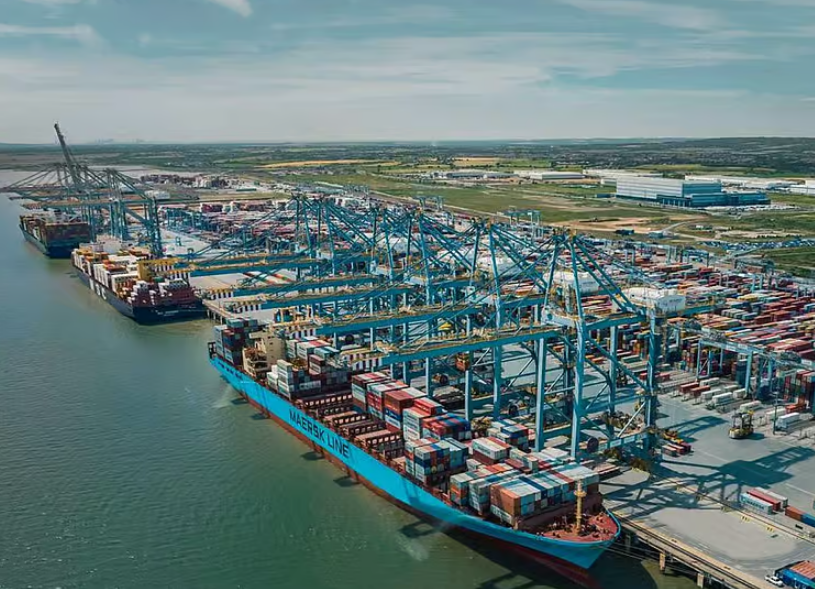
Tourism and logistics are expected to recover gradually as regional stability improves and trade routes return to normal.
Fitch Senior Director Paul Gamble said the UAE’s structural advantages would continue to support the resilience of its non-oil economy, alongside government investment and access to substantial sovereign capital.