The UK government has announced plans to introduce an overnight social media curfew for teenagers aged 16 and 17, expanding its efforts to reduce young people’s exposure to addictive online platforms after unveiling a social media ban for children under 16 last month.
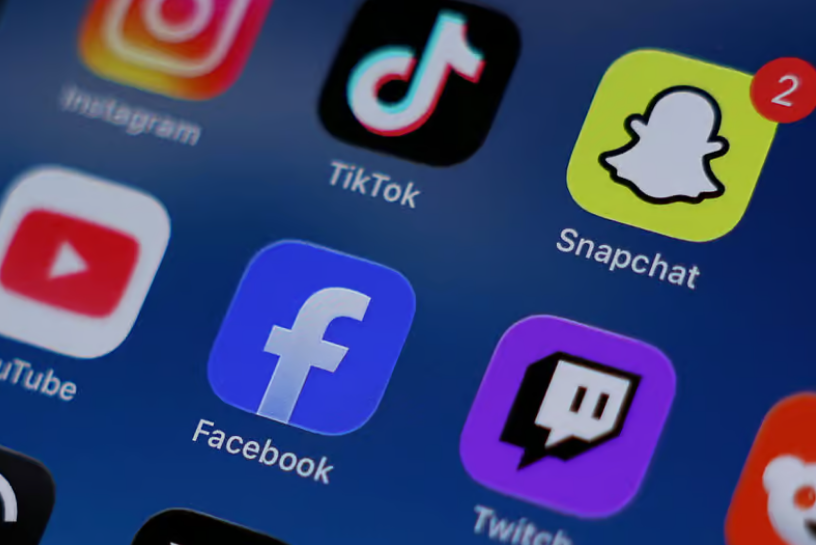
Under the new proposals, teenagers aged 16 and 17 will be subject to a social media curfew between midnight and 6 a.m. on platforms including Instagram, Facebook, TikTok, Snapchat and YouTube. The measures are part of a broader package aimed at encouraging healthier online habits and reducing the impact of excessive screen time on young people.
The government also plans to introduce default settings that disable features such as infinite scrolling for users in this age group. While teenagers will have the option to turn these restrictions off, critics argue that allowing users to override the settings could limit the effectiveness of the policy. Officials have not yet outlined how the restrictions will be monitored or enforced.
The latest announcement follows Prime Minister Keir Starmer’s decision last month to ban children under the age of 16 from using major social media platforms. That ban is expected to take effect in early 2027 and will apply to services including Snapchat, TikTok, YouTube, Instagram and Facebook.
Technology Minister Liz Kendall said the new rules recognise that older teenagers still require protection from online features designed to maximise engagement.
“Even as young people gain greater independence at 16, they should still be protected from the most addictive online features that can have a harmful impact on their wellbeing,” Kendall said.
She added that the measures are intended to help teenagers get adequate sleep, improve concentration at school and college, and spend more time with family and friends.
The government’s proposals also extend to artificial intelligence services. AI chatbot platforms will be required to introduce regular break reminders for users under the age of 18, with the aim of reducing prolonged periods of interaction.
The reforms have received a mixed response. Several children’s charities welcomed the plans, describing them as overdue protections for young people facing increasing online risks. Others cautioned that tighter restrictions could encourage some teenagers to seek alternative and potentially less safe ways to access social media or online communities.
Britain joins a growing number of countries introducing stricter rules for children’s use of social media. Australia became the first country to ban users under 16 from social media platforms in December, although implementation has produced mixed results. Canada and the United Arab Emirates have also announced similar restrictions, while Indonesia began enforcing its under-16 social media ban in March.
The UK government says the latest measures form part of a wider strategy to create a safer digital environment for children and teenagers while addressing concerns about the effects of excessive social media use on mental health, education and overall wellbeing.