Egypt, Saudi Arabia, Turkey and Pakistan have welcomed the recent agreement between the United States and Iran, describing it as an important step toward reducing tensions in the Middle East and preventing further instability across the region.
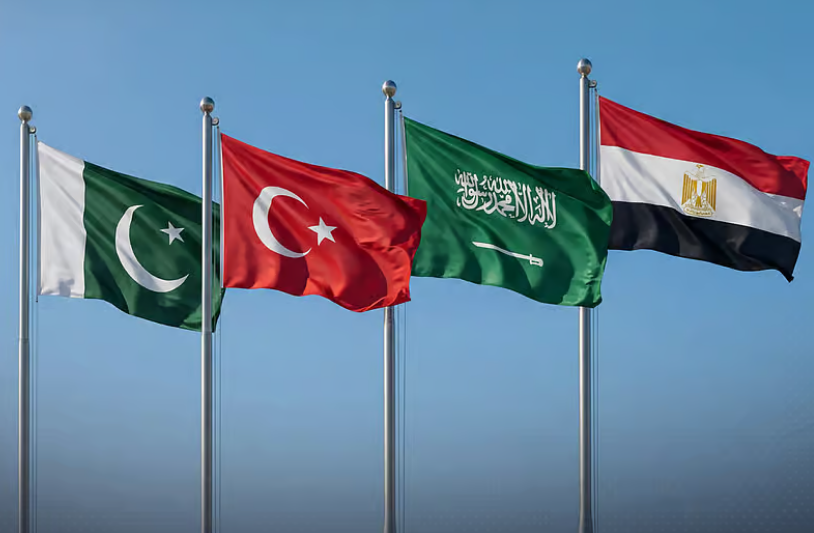
The position was outlined in a joint statement issued after a consultative meeting in Cairo attended by Egyptian Foreign Minister Badr Abdelatty, Pakistani Foreign Minister Mohammad Ishaq Dar, Saudi Foreign Minister Faisal bin Farhan Al Saud and Turkish Foreign Minister Hakan Fidan.
The ministers welcomed the signing of the Islamabad Memorandum of Understanding between Washington and Tehran on June 18, describing it as a constructive move that could help ease regional tensions and support efforts to end a conflict that has threatened security, economic stability and international trade.
According to the statement, the agreement has the potential to reduce risks to global energy markets, major shipping routes and supply chains that have faced uncertainty during months of regional tensions.
The four countries stressed that the next phase of negotiations should move forward quickly in order to achieve a lasting and verifiable settlement of the remaining issues between the United States and Iran. They said any final agreement should be mutually acceptable and should address concerns shared by countries across the Middle East.
The ministers emphasized that regional security considerations must remain a central part of the negotiations. They highlighted the importance of safeguarding the stability of Gulf Arab states and countries in the Levant while strengthening collective security arrangements throughout the region.
Officials said a durable agreement would contribute to long-term stability and help prevent future conflicts that could affect neighboring countries and the wider international community.
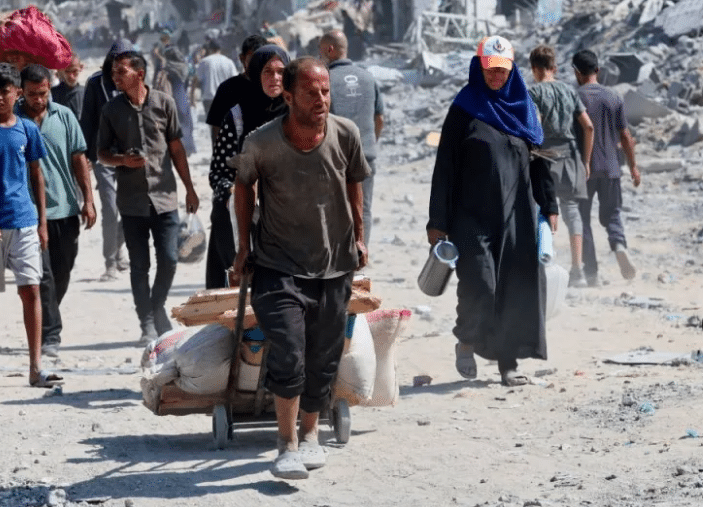
The meeting also focused on developments related to the Palestinian issue, which the ministers described as essential to achieving lasting peace in the Middle East. Discussions covered the humanitarian and political situation in the Gaza Strip, the occupied West Bank and East Jerusalem.
Reaffirming their support for Palestinian rights, the ministers said the Palestinian people have the right to self-determination and statehood. They reiterated support for the establishment of an independent Palestinian state based on the June 4, 1967 borders, with East Jerusalem as its capital.
The statement added that this position remains consistent with relevant United Nations Security Council resolutions and international efforts aimed at reaching a comprehensive and lasting peace settlement in the region.
The Cairo meeting reflected growing regional interest in ensuring that ongoing diplomatic efforts between Washington and Tehran contribute not only to bilateral understanding but also to broader peace and stability across the Middle East.