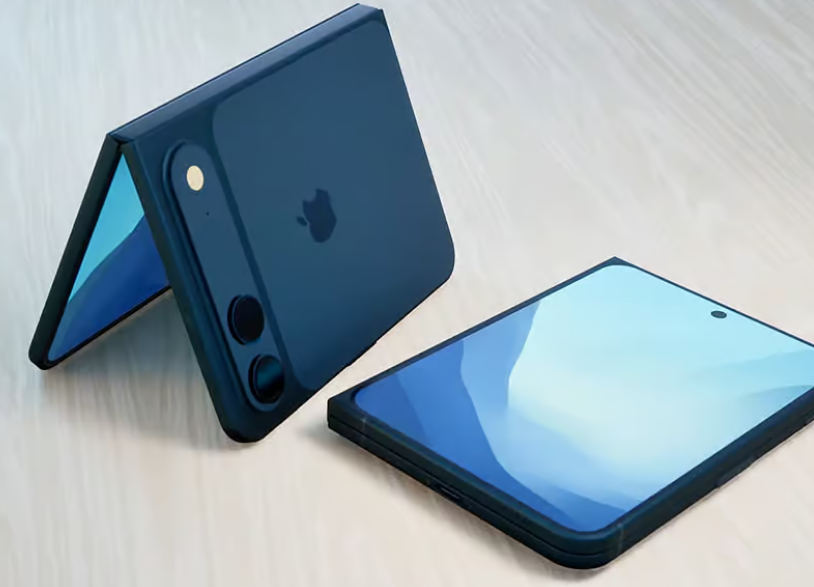
Apple is facing fresh hurdles in the development of its first foldable iPhone, raising the possibility of delays to its production and launch timeline, according to a report published by Nikkei Asia on Monday.
The report, citing sources familiar with the matter, said the company has encountered more technical issues than anticipated during the engineering test phase. These early-stage challenges are understood to be affecting the device’s readiness for mass production, potentially pushing back shipments by several months in a worst-case scenario.
“It’s true that more issues than expected have emerged during the early test production phase, and additional time will be needed to resolve them and make necessary adjustments,” one source was quoted as saying.
The foldable iPhone is widely seen as one of Apple’s most ambitious upcoming products, marking its entry into a segment currently dominated by rival manufacturers. However, developing foldable technology has proven complex across the industry, with challenges often tied to durability, hinge mechanisms and display reliability.
Apple has not publicly commented on the reported delays, and the claims could not be independently verified. The company also did not immediately respond to media queries outside regular business hours in the United States.
Earlier reports had suggested that Apple was targeting a launch window in the second half of 2026 for its first foldable device. Alongside it, the company is also expected to introduce two standard iPhone models featuring upgraded cameras and larger displays as part of its flagship lineup.
Any delay to the foldable model could affect Apple’s broader product strategy, particularly as competition intensifies in the premium smartphone market. Several competitors have already released multiple generations of foldable devices, refining designs and improving performance over time.
Industry analysts note that Apple has historically taken a cautious approach to new product categories, often prioritising refinement and reliability over being first to market. This strategy has allowed the company to avoid some of the early issues faced by competitors, though it can also result in later entry into emerging segments.
Despite the reported setbacks, expectations remain high for Apple’s foldable device, which is anticipated to feature advanced display technology and a design aligned with the company’s existing ecosystem.
The coming months are likely to be critical as engineers work to address the technical challenges. Whether the device launches on schedule or faces delays, the foldable iPhone is expected to play a key role in shaping Apple’s next phase of hardware innovation.