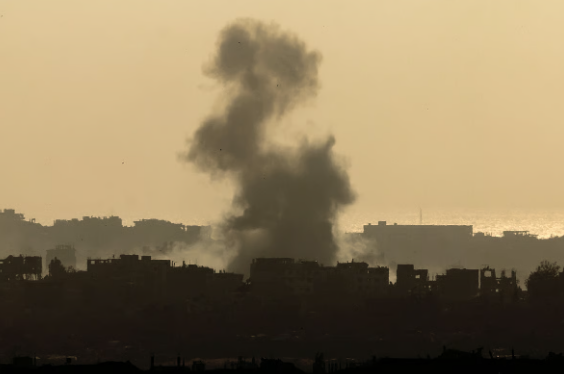
The Philippines has kept the Strait of Hormuz on red alert after two Filipino seafarers were killed in an attack on a crude oil tanker, with the government warning shipping companies to take extra precautions when sending Filipino workers through the strategic waterway.
The Department of Migrant Workers (DMW) continues to classify the narrow passage linking the Arabian Gulf with the Gulf of Oman as a “high-risk, war-like zone.” DMW Secretary Hans Leo Cacdac urged shipowners to avoid routing Filipino seafarers through the area when possible.
Cacdac said companies must meet safety requirements before allowing Filipino crew members to sail through high-risk waters. These measures include conducting risk assessments, strengthening security procedures, considering ship escorts or armed guards and maintaining reporting systems.
He also reminded Filipino seafarers that they have the right to refuse assignments requiring them to pass through dangerous waters.
According to the DMW, 31 ships carrying 421 Filipino seafarers have been attacked in the Strait of Hormuz since hostilities began in the region on February 28. Of those workers, 406 escaped unharmed, while 10 were injured and have since recovered. Three have died and one remains officially missing. Around 268 Filipino seafarers have already returned home.
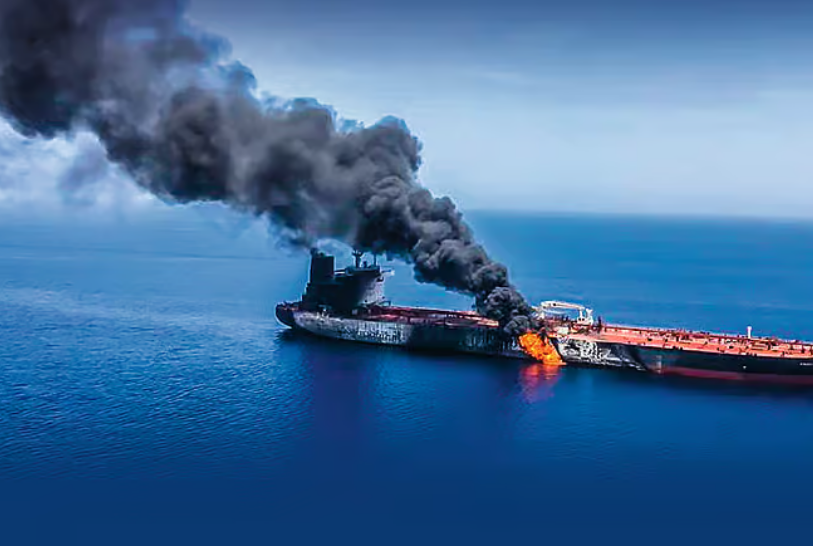
The latest fatalities were crew members aboard the crude oil tanker Sidr, which was struck by unidentified projectiles while travelling through the strait. The vessel is owned by Bahri, Saudi Arabia’s national shipping company.
Bahri said the safety and welfare of its employees remain its highest priority and that it operates according to strict safety and security standards. The company expressed deep sadness over the deaths of the two Filipino workers and offered condolences to their families, friends and colleagues.
The circumstances surrounding the vessel’s decision to transit the waterway during renewed hostilities have not been disclosed.
The attack has also prompted the Philippine government to intensify efforts to assist and repatriate surviving Filipino crew members. Fourteen Filipino seafarers who survived the incident remain part of the government’s support efforts.
The remains of the two deceased workers were taken off the vessel in Oman. Philippine Labor Attaché Alice Visperas was sent to the country to oversee arrangements for their return to the Philippines.
Cacdac also visited the family of one victim in Laguna province on Thursday to offer condolences. He praised the Filipino crew members for helping contain fires that broke out aboard the tanker after the attack.
The Philippines is the world’s leading source of maritime labour, with as many as 550,000 active seafarers working internationally. Filipino mariners account for roughly 30 per cent of the global seafaring workforce.
With Filipino workers also facing risks in other conflict-affected waterways, including the Red Sea and Black Sea, Philippine authorities continue to urge employers and seafarers to follow safety measures and assess risks before voyages.