Industrial metal markets faced fresh pressure on Monday as sharply rising oil prices linked to conflict in the Middle East heightened concerns about global inflation and slowing economic growth, traders said.
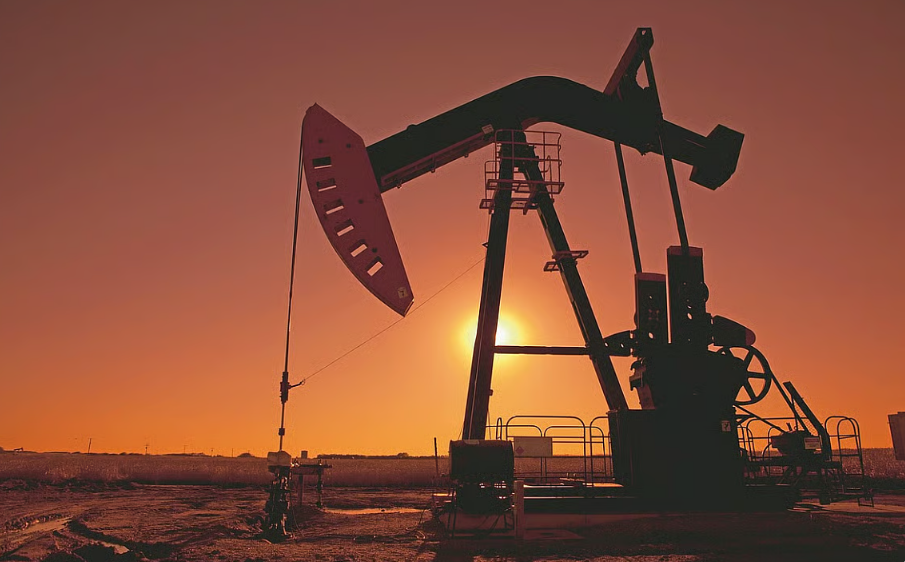
Oil prices have climbed more than 40 percent in recent weeks as the ongoing war involving the United States, Israel, and Iran has disrupted oil production and shipping routes across the region. The spike in energy costs has raised fears that higher fuel prices could feed into inflation, potentially weakening global economic activity and demand for metals.
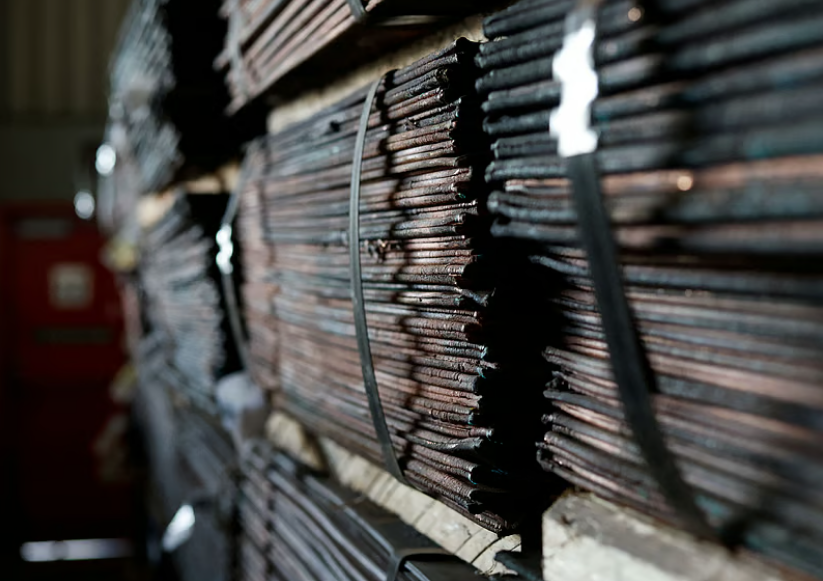
Benchmark copper on the London Metal Exchange showed mixed movement during Monday’s trading. The metal rose 0.5 percent to $12,840 per metric ton in official ring trading after earlier falling by as much as 0.9 percent during the session. Traders said the later rebound was largely supported by a softer U.S. dollar, which makes commodities priced in dollars cheaper for buyers using other currencies.
Despite the modest recovery, market sentiment remained cautious as investors weighed the impact of higher energy costs on global manufacturing and infrastructure spending. Industrial metals are widely used in sectors such as construction, power generation, and electronics, making them closely tied to economic performance.
Copper in particular is often viewed by investors as a key indicator of economic health because of its extensive use in power networks, construction projects, and industrial equipment. When expectations for economic growth weaken, demand for copper and other base metals tends to soften.
Market participants said the recent surge in oil prices has raised concerns that businesses and consumers could face rising costs, potentially slowing investment and industrial activity. Higher fuel prices can increase production and transportation expenses across industries, placing additional pressure on economic growth.
The situation has also added uncertainty to commodity markets as traders monitor developments in the Middle East. Disruptions to oil supply chains and key shipping routes have intensified volatility in global energy markets, which in turn has influenced trading across metals and other raw materials.
Some analysts noted that the weaker dollar provided temporary support to metal prices during the session, but broader concerns about economic growth remain a dominant factor shaping market sentiment.
With the geopolitical crisis showing little sign of easing and energy prices remaining elevated, traders expect continued volatility in industrial metals in the weeks ahead. Market participants are closely watching both economic data and developments in the Middle East for further signals about global demand and supply conditions.