The United States Trade Representative (USTR) has proposed a 12.5% tariff on imports from India, accusing the country of failing to establish and enforce effective legal measures to block goods produced through forced labour.
The proposal, announced on Wednesday by USTR Jamieson Greer, forms part of a broader trade action targeting nearly 60 countries. Similar or slightly lower tariffs were proposed for several major economies, including China, Japan, South Korea and the United Kingdom, while Pakistan, the European Union, Canada and Mexico would face a 10% tariff under the plan.
The proposed measures stem from an investigation conducted under Section 301 of the US Trade Act of 1974, the same legislation used during President Donald Trump’s first term to impose tariffs on Chinese imports.
Greer said Washington could no longer ignore what it sees as inadequate action by trading partners to prevent the entry of goods linked to forced labour into global supply chains.
“The failure of our most important trading partners to address the importation of goods made with forced labour is unacceptable,” Greer said in a statement. He argued that such gaps create unfair competition for American workers and businesses.
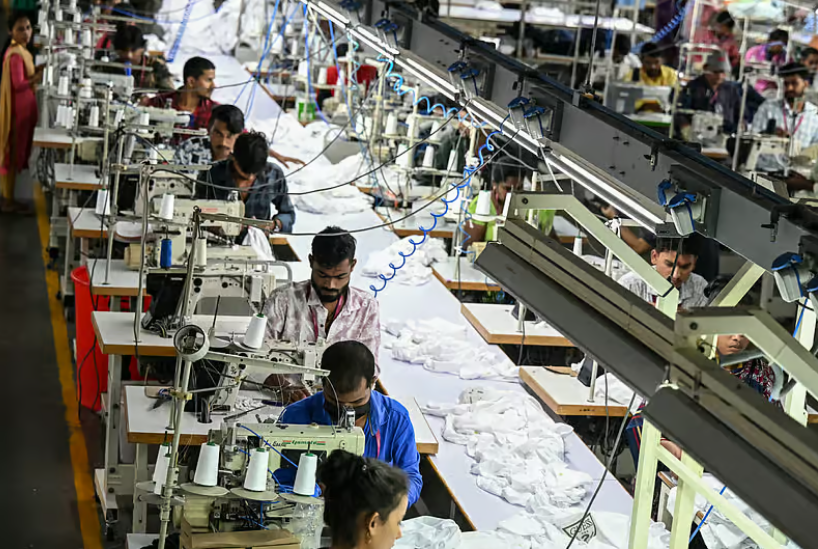
According to the USTR, both India and China failed to impose legal prohibitions on forced labour imports and did not effectively enforce existing restrictions. The agency concluded that these shortcomings place burdens on US commerce and justify trade action.
India has rejected the allegations and urged Washington to end the investigation. New Delhi maintains that concerns related to labour practices should be addressed through ongoing bilateral trade negotiations rather than unilateral tariff actions.
The proposed tariff announcement adds another layer of tension to US-India trade relations, which have already faced strain over earlier tariff disputes. India was among the countries heavily affected by tariffs imposed under the International Emergency Economic Powers Act, measures later ruled unlawful by the US Supreme Court. However, the US Justice Department has appealed that decision in trade court, leaving uncertainty around the broader tariff framework.
The USTR is now seeking written submissions on the proposal until July 6, with a public hearing scheduled for the following day. The hearing could pave the way for implementation of the new tariffs shortly afterward.
Trade analysts say the move signals a renewed willingness by Washington to use tariff policy to address labour and supply chain concerns, extending beyond traditional trade disputes involving market access and subsidies.
If approved, the tariffs could affect a wide range of Indian exports to the United States and potentially complicate broader trade negotiations between the two countries.