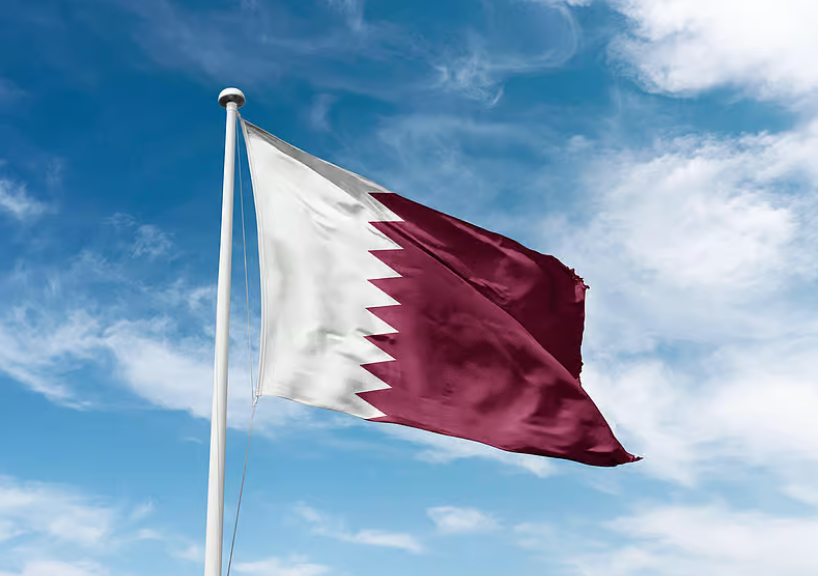
Qatar has firmly denied allegations published by a US newspaper suggesting that its energy production decisions were coordinated with Iran or designed to influence developments in the region.
In a statement carried by the state-run Qatar News Agency, the country’s International Media Office described the claims as completely false and lacking credibility. Officials said the allegations were particularly implausible given that Qatar was responding to Iranian missile attacks targeting its territory during the period in question.
The statement rejected suggestions that Qatar exaggerated damage to the Ras Laffan liquefied natural gas facility or used reported disruptions as a justification for suspending operations. Authorities stressed that decisions regarding production and exports were based solely on safety concerns arising from the security situation.
According to the International Media Office, Qatari officials had publicly explained that force majeure declarations on LNG contracts were issued after military operations in the region created conditions in which the safety of workers and operational staff could no longer be guaranteed.
Force majeure clauses are commonly used in international contracts to protect parties from obligations when extraordinary events make normal operations impossible or unsafe.
The office also challenged the sources cited in the report, describing them as unreliable and fabricated. It argued that the allegations appeared aimed at damaging Qatar’s international standing, undermining ongoing mediation efforts in regional conflicts, and weakening the country’s strategic partnership with the United States.
Officials said Qatar has played an active diplomatic role in several regional and international negotiations and maintained that attempts to question its actions were intended to distract from those efforts.
The statement also defended the reputation of QatarEnergy, the state-owned energy company responsible for the country’s oil and gas operations. It said the company has built a record of transparency and factual reporting and has consistently avoided allowing political considerations to influence operational decisions.
QatarEnergy remains one of the world’s largest exporters of liquefied natural gas, and the Ras Laffan industrial complex is considered a key hub for global energy supplies. Any disruption at the facility can attract significant international attention due to its importance to energy markets.
The International Media Office urged major media organizations to maintain high journalistic standards when reporting on issues with global implications. It expressed disappointment that the newspaper involved had published what it described as unverified claims, arguing that the report contributed to the spread of misinformation.
Qatari officials said responsible reporting is particularly important during periods of regional tension, when inaccurate information can have wider diplomatic and economic consequences. They reiterated that the country’s energy decisions were guided by operational realities and security concerns rather than political coordination with any foreign state.