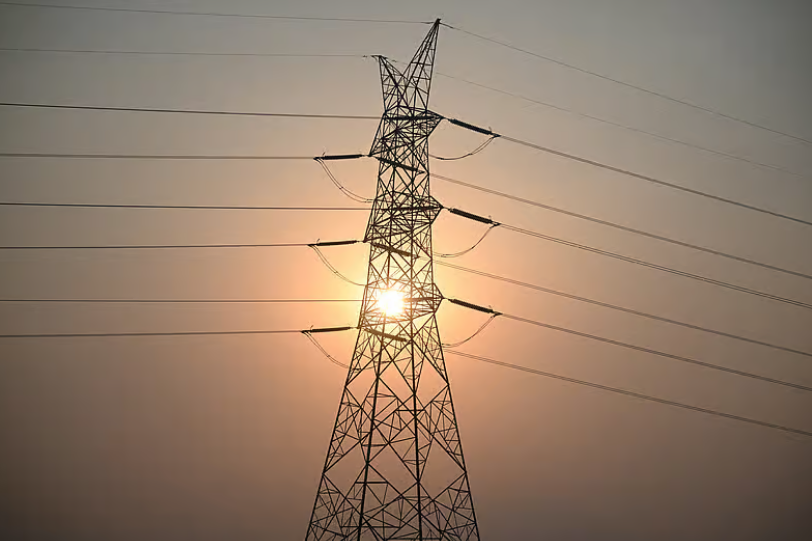
Millions of people across the Philippines were left without electricity on Friday after widespread power cuts struck the country during the peak of the summer heat, disrupting homes, businesses and transport systems across the main island of Luzon.
The National Grid Corporation of the Philippines (NGCP) said rolling outages began in the afternoon and affected parts of the capital Manila as well as surrounding provinces. The blackouts were triggered by what the grid operator described as “major grid disruptions” involving transmission lines, combined with maintenance shutdowns at several large power plants.
Authorities warned that the disruptions would extend beyond Luzon to parts of the central islands, where some areas could face power interruptions lasting up to seven hours.
The outages came during the country’s hottest month of the year, when electricity demand typically rises sharply as households and businesses rely heavily on air conditioning and cooling systems. Luzon, home to nearly half of the Philippines’ 116 million population, is also the centre of much of the country’s economic activity.
Energy Secretary Sharon Garin said the government would investigate the cause of the large-scale disruption and review whether operators had complied with regulations and technical standards.
“The public deserves a complete accounting of incidents of this magnitude,” Garin said in a statement.
“We will ensure that all operational, technical, and compliance dimensions are fully examined and that appropriate actions are taken where warranted,” she added.
Officials did not provide a timeline for when normal electricity supply would fully resume, raising concerns among residents and businesses already coping with soaring temperatures and economic uncertainty.
The blackouts also placed added pressure on hospitals, shopping centres and manufacturing facilities, many of which switched to backup generators to maintain operations. Traffic congestion worsened in several areas after some traffic management systems temporarily lost power.
The disruptions occurred despite the Philippine government recently adopting a four-day work week for public agencies in response to rising energy costs and broader economic strains linked to the ongoing Iran-US-Israel conflict. Authorities had hoped the reduced office schedule would help lower fuel and electricity consumption during a period of heightened pressure on global energy markets.
Energy analysts said the incident highlighted longstanding vulnerabilities in the Philippine power sector, including ageing infrastructure, limited reserve capacity and dependence on major generating facilities. Demand for electricity has climbed steadily in recent years as the economy and population continue to grow.
Residents across affected areas voiced frustration on social media over repeated outages and the lack of clear information on restoration efforts. Many reported sweltering indoor conditions as temperatures remained high throughout the day and into the evening.
The government said updates on the restoration process and findings from the investigation would be released in the coming days.