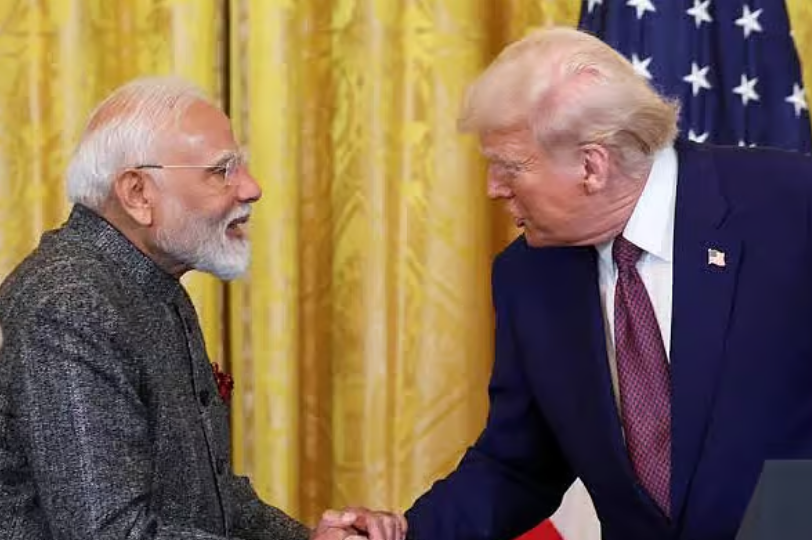
India has called on the United States to address trade-related concerns through ongoing negotiations after Washington proposed imposing tariffs of 17 per cent on Indian goods following an investigation into alleged excess production.
India’s Commerce Ministry said late Wednesday that both countries remained engaged in negotiations for a Bilateral Trade Agreement and that New Delhi was working towards an early conclusion of the deal.
“It has been India’s position that any trade-related concerns should be addressed within the framework of these negotiations,” the ministry said in a statement.
The United States is India’s largest trading partner. The two countries reached an interim agreement in February aimed at reducing American tariffs on Indian exports. However, the US Supreme Court struck down President Donald Trump’s sweeping tariffs days later, creating uncertainty over the implementation of the agreement.
Negotiations have continued since then, with the latest tariff proposal adding another challenge to efforts to reach a trade deal.
Washington announced the proposed 17 per cent tariff on Wednesday following a months-long investigation into alleged excess production in India. New Delhi said it had cooperated with the investigation and rejected claims that its industries suffered from structural overcapacity.
“India engaged constructively throughout this investigation,” the Commerce Ministry said.
It added that the US Department of Commerce had acknowledged in its findings that India did not have structural excess capacity in any sector.
The proposed tariffs will now undergo a public consultation period before any decision on implementation is taken.
However, India’s Global Trade Research Initiative (GTRI), a New Delhi-based think tank, warned against accepting trade conditions that could disadvantage domestic industries.
GTRI head Ajay Srivastava described the prospect of lower tariffs under the proposed trade agreement as “deliberate bait” intended to put pressure on India.
In a report, Srivastava urged New Delhi to reject what he described as a one-sided trade agreement and protect industrial expansion across different sectors.
The tariff proposal has also raised concerns in neighbouring Bangladesh, which faces a potential increase in US duties to 18 per cent. The country’s garment industry, a major source of export revenue, could be particularly exposed to the changes.
Bangladesh Commerce Minister Khandakar Abdul Muktadir told The Daily Star newspaper on Thursday that Dhaka hoped Washington would avoid measures that could disrupt bilateral trade.
Economist Mohammad Abdur Razzaque, head of the Dhaka-based Research and Policy Integration for Development think tank, warned that higher tariffs could reduce demand for Bangladeshi clothing in the American market and weaken export earnings.
He said Bangladesh was already dealing with economic difficulties, including slower growth and uncertain export prospects.
The developments underline growing trade pressures across South Asia as countries seek to protect their export industries while negotiating access to the US market.