At least five people have died in eastern Japan after exceptionally heavy rain caused flooding, landslides and widespread disruption, leaving thousands of travellers stranded overnight at Narita airport, authorities said.
Chiba prefecture was among the hardest-hit areas after torrential rain struck late Thursday. The Japan Meteorological Agency issued its highest-level heavy rain warning for the region for the first time, describing the rainfall as reaching an “unprecedented level”.
More than 30 centimetres of rain fell in a 24-hour period, making August the wettest month recorded at the Chiba weather station in six decades, according to JMA data.
The downpours triggered landslide warnings, power failures and major transport problems. About 26,000 households across Chiba were without electricity, while more than 80 homes were flooded in areas including Ichikawa, Kashiwa and Sakura. Water also entered nearly 90 other houses below floor level.
Several vehicles were abandoned on flooded roads in rural Chiba as water levels rose rapidly.
The Chiba disaster management office confirmed five deaths. Among those killed was a man believed to be in his 60s or 70s who was found in floodwater on a road. A 66-year-old woman was also found trapped inside a submerged vehicle.
Other victims included a man of unknown age who was found collapsed on a street and another person whose age and gender had not been established. Public broadcaster NHK reported that the death toll could eventually reach eight.
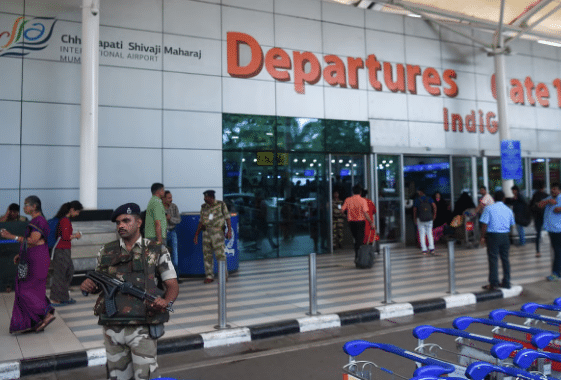
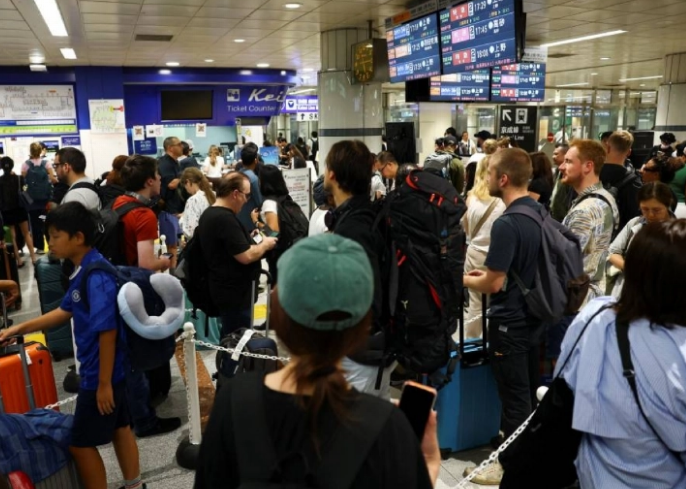
The extreme weather also caused major disruption at Narita International Airport, one of the main airports serving Tokyo. Around 6,000 passengers were unable to leave the airport and spent the night inside the terminals.
Sleeping bags were distributed to stranded travellers, while passengers were seen sleeping throughout the airport. Long queues formed at check-in areas as flights and ground transport were affected.
One traveller from Britain, identified as Philip, said his journey to the airport had taken about nine hours, including a long taxi trip. He said he spent the night trying to sleep and watching Netflix.
Rail services were also severely disrupted, with many trains to and from Narita cancelled until Friday afternoon. Hundreds of passengers were stranded at Chiba station, while shelters across the prefecture accommodated people forced to leave their homes.
Power cuts also affected businesses and residents. One woman in Ichikawa told NHK that the sudden flooding and loss of electricity left her uncertain about whether she would be able to reopen her business.
By Friday morning, the highest-level rain warnings had been reduced to level four, but authorities continued to warn residents to remain cautious as the risk of flooding and landslides persisted.