Petrol prices in the UAE could decline next month as global oil prices continue to retreat, with markets reacting positively to the peace agreement reached between the United States and Iran on Monday.
Oil prices fell sharply after news of the agreement, which is expected to reduce tensions in the Middle East and support the reopening of the Strait of Hormuz, one of the world’s most important energy shipping routes. Brent crude dropped by more than four percent, or about $3.70 per barrel, on Monday morning following the announcement.
The decline adds to a broader downward trend in oil markets. Brent crude has fallen by more than $11 per barrel since the beginning of the month, reversing part of the gains recorded during months of heightened regional tensions.
The UAE reviews petrol and diesel prices at the end of each month under a fuel pricing mechanism introduced in 2015. The system links domestic fuel prices to global market movements, allowing monthly adjustments based on international oil trends.
Motorists in the UAE have faced rising fuel costs in recent months as crude prices climbed during the conflict involving the United States, Israel and Iran, as well as disruptions linked to the closure of the Strait of Hormuz.
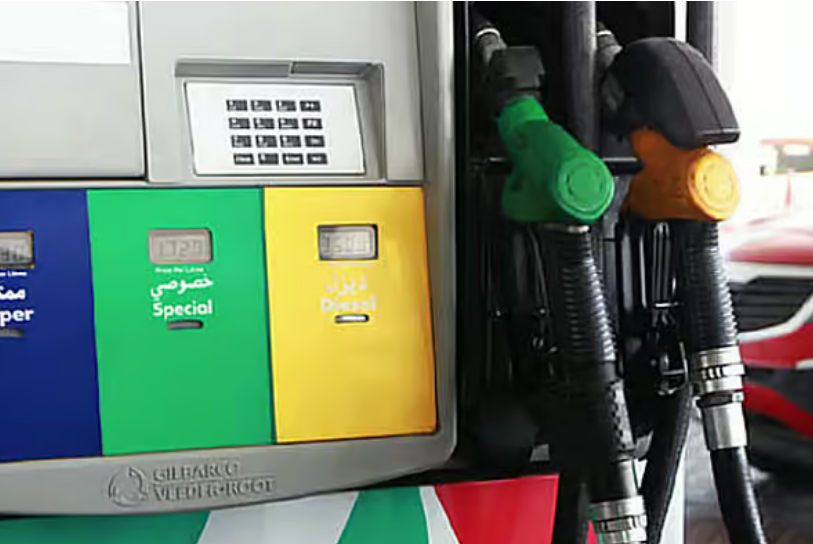
Fuel prices increased for a fourth consecutive month in June. Super 98 was set at Dh3.95 per litre, while Special 95 reached Dh3.83 per litre and E-Plus 91 rose to Dh3.76 per litre. The increase represented an eight percent rise compared with the previous month.
Market data indicates that average Brent crude closing prices during the first two weeks of June stood at $92.96 per barrel, significantly lower than the average of more than $105 per barrel recorded during the first half of May. The lower average suggests there could be room for a reduction in UAE fuel prices if the decline in oil markets continues through the remainder of the month.
Industry analysts say the peace agreement between Washington and Tehran has improved sentiment in energy markets by easing concerns over supply disruptions in the Gulf region. A sustained reduction in geopolitical risk could place additional downward pressure on crude prices.
Attention is also shifting toward global supply and demand fundamentals. Oil-producing countries may gradually increase production if stability returns to the region, while demand concerns remain, particularly in China, where imports recently fell to their lowest level in more than eight years.
The UAE is expected to announce its fuel prices for next month at the end of June, with motorists hoping the recent slide in oil prices will bring relief after several months of increases.