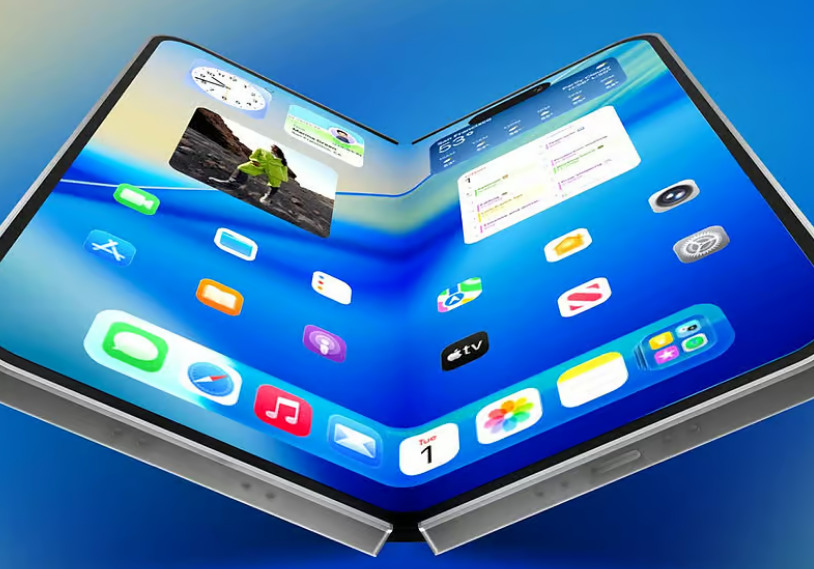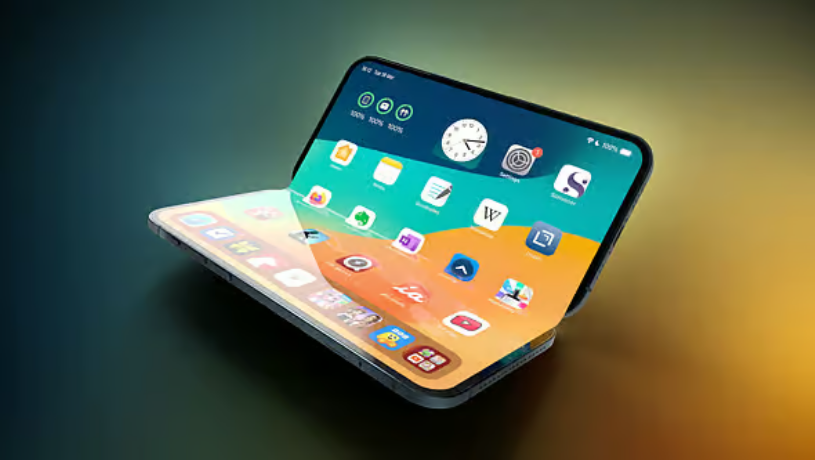
Apple is widely expected to enter the foldable smartphone market in 2026, with its long-rumoured “iPhone Fold” likely to debut at the company’s annual fall event. However, industry reports suggest the device may not reach consumers immediately after its unveiling.
According to Bloomberg’s Mark Gurman, Apple’s first foldable iPhone is expected to ship after its Pro models, continuing a pattern the company has followed when introducing major new designs. The device is anticipated to be announced alongside the iPhone 18 Pro lineup, but its release could come weeks or months later.
Gurman noted that foldable smartphones are among the most complex devices to manufacture, particularly due to the advanced display technology required. “This is some of the most complex display tech on the market,” he said during a recent Q&A session, explaining that Apple often staggers launches when dealing with entirely new product categories.
The approach would mirror Apple’s earlier strategy with the iPhone X, which was unveiled alongside other models but shipped later. Analysts believe the same rollout could apply to the foldable iPhone, allowing Apple more time to scale production and ensure quality.
Current expectations point to a September 2026 unveiling, in line with Apple’s traditional iPhone launch schedule. However, the timeline for availability remains uncertain. Some analyst reports have suggested the device could be delayed until December, though Gurman indicated the gap may not extend that far.
The foldable iPhone is expected to mark one of Apple’s most significant design shifts in years. Unlike incremental upgrades seen in recent models, foldable devices offer new functionality, including larger, flexible displays and the ability to switch between phone and tablet-like experiences. These features could allow improved multitasking and new ways for users to interact with apps and content.
Industry observers say any delay in shipping is less likely to signal production problems and more likely to reflect Apple’s focus on refinement. The company has historically prioritized reliability and user experience, particularly when launching new hardware formats. Ensuring durability and seamless performance is seen as critical, given the challenges associated with foldable screens.
Apple has so far remained absent from the foldable segment, while competitors have released multiple generations of such devices. Its entry into the market is expected to draw significant attention and could reshape competition in the premium smartphone category.
While details about pricing and specifications remain limited, the anticipated launch underscores Apple’s effort to expand its product lineup and explore new device categories. As the timeline becomes clearer, the focus will remain on whether the company can deliver a foldable device that meets its reputation for design and performance.