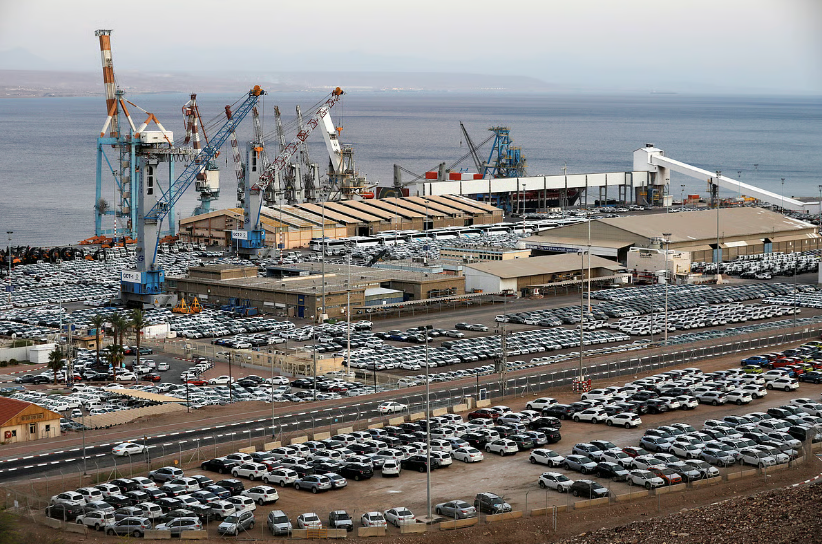
An Australian Navy destroyer docked at the Israeli port of Eilat on Friday, according to Israel’s Ynet news website, citing the military. The vessel arrived at the southern port on the Gulf of Aqaba, near Israel’s borders with Egypt and Jordan, in a deployment that was pre-planned and part of ongoing cooperation between US and Israeli forces.
The arrival comes as tensions between Washington and Tehran intensify, with both sides issuing stark warnings in recent days. US President Donald Trump has signalled willingness to engage in negotiations with Iran over its nuclear programme while simultaneously deploying additional military assets to the Middle East.
A US defence official told Reuters that operational details of the deployment could not be discussed due to security concerns, stressing that the safety of service members remained the top priority. Pentagon chief Pete Hegseth said the military is prepared to execute any course of action directed by the president.
Trump has repeatedly warned Iran to return to talks or face harsher consequences from the United States. In response, Tehran has threatened retaliatory measures against the US, Israel, and allied nations. The president has also indicated that a US “armada” is en route to the region, though he emphasized that he hoped it would not need to be used.
Analysts note that the deployment of naval forces to strategic ports in the Middle East is closely monitored as a signal of military readiness amid rising geopolitical uncertainty. The presence of the destroyer in Eilat highlights ongoing military coordination between the United States and Israel, a key regional partner, as both nations seek to maintain stability along the Gulf of Aqaba.
The situation comes amid a broader backdrop of heightened global attention on Iran’s nuclear ambitions. The United States has maintained a firm stance on ensuring Tehran adheres to international agreements, while diplomatic channels remain open for potential dialogue.
The arrival of the destroyer is also viewed as a demonstration of deterrence, sending a clear message to Iran and other regional actors that the US is prepared to respond swiftly if provoked. Military officials stress that such deployments are standard operational practice, though they inevitably attract attention amid tense international developments.
As both sides continue to exchange warnings, the coming days will likely be closely watched by policymakers and analysts alike. Markets and governments across the world are assessing the potential risks to regional stability and international security.