The average closing price for Brent oil was $63.47 per barrel this month, compared to $61.51 in December 2025, due to supply disruption fears from Iran and Venezuela amidst geopolitical tensions.
Brent crude posted its strongest performance during the first three weeks of the month, reaching a peak close of $66.52 per barrel as traders priced in heightened political risk. By Tuesday morning, prices had stabilised, with Brent trading near $65.5 a barrel and West Texas Intermediate holding around $60.6.
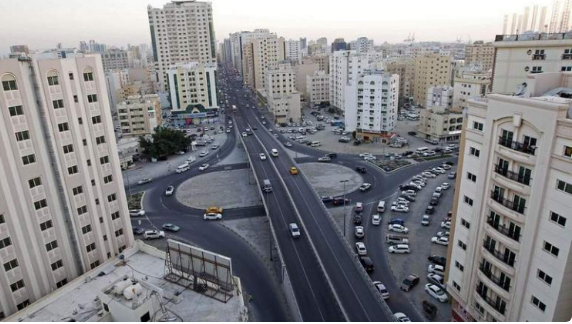
Despite the recent rise in global crude prices, fuel costs in the UAE edged slightly lower for January. Petrol Super 98 was priced at Dh2.53 per litre, Special 95 at Dh2.42 and E-Plus at Dh2.34, all marginally down from the previous month. The softer retail pricing came even as domestic fuel consumption continued to climb.
The UAE’s expanding vehicle population is driving higher demand for petrol and diesel. Adnoc Distribution, the country’s largest fuel retailer, reported record fuel volumes for the first nine months of 2026, with sales reaching 11.7 billion litres. The company added 85 new service stations during the January to September period, expanding its nationwide network to 977 locations.
Energy market analysts say global crude prices have been pushed higher by renewed attention on supply risks in key producing regions. Vijay Valecha, chief investment officer at Century Financial, said markets have adjusted oil prices upward as the United States sharpens its focus on Iran.
“The deployment of American naval assets to the Middle East is raising concerns over potential escalation and supply disruption,” Valecha said. He added that uncertainty surrounding operations at the Caspian Pipeline Consortium also contributed to higher prices, prompting hedge funds to raise bullish positions in crude to their highest level since August during the week ending January 20.
Even so, rating agency Fitch cautioned that the upside in oil prices may be limited by ample global supply. In a research note, Fitch said that while geopolitical developments have increased short-term volatility, the broader market remains well supplied.
“Any possible supply disruptions in Iran can be absorbed by an oversupplied market,” the agency said. It also noted that while Venezuela could see modest short-term output gains, achieving a sustained and meaningful increase would be difficult. Fitch added that future decisions by Opec on whether to prioritise production volumes or price stability will play a central role in shaping oil market trends.
For now, oil prices remain supported by political uncertainty, while strong supply levels continue to act as a counterweight to further sharp gains.