The global airline industry is entering a new growth phase, with the UAE, India and Saudi Arabia emerging as its main drivers as profits recover, travel demand surges and aircraft shortages tighten supply.
Airlines worldwide are expected to earn around $41 billion in 2026, marking a fourth consecutive year of profitability and underscoring a sharp recovery from the pandemic-driven downturn, according to projections from aviation lessor Avolon. The industry has already clawed back more than 80 per cent of the $182 billion lost during the Covid-19 crisis, with attention now shifting toward expansion rather than survival.
At the centre of that expansion are India, the UAE and Saudi Arabia, which together have aircraft orders exceeding 3,000 planes — more than twice the size of their combined active fleets. About 900 deliveries are scheduled over the next three years, reflecting strong passenger demand and long-term government strategies focused on tourism, trade and global connectivity.
India has emerged as one of the fastest-growing aviation markets. It is now the world’s third-largest domestic market, carrying more than 150 million passengers each year, according to the International Air Transport Association. Indian carriers, led by IndiGo and Air India, have placed record orders for more than 1,300 aircraft as authorities expand airport infrastructure to over 220 facilities by the end of the decade. Passenger traffic is forecast to grow at an annual rate exceeding 6 per cent through 2030, well above the global average.
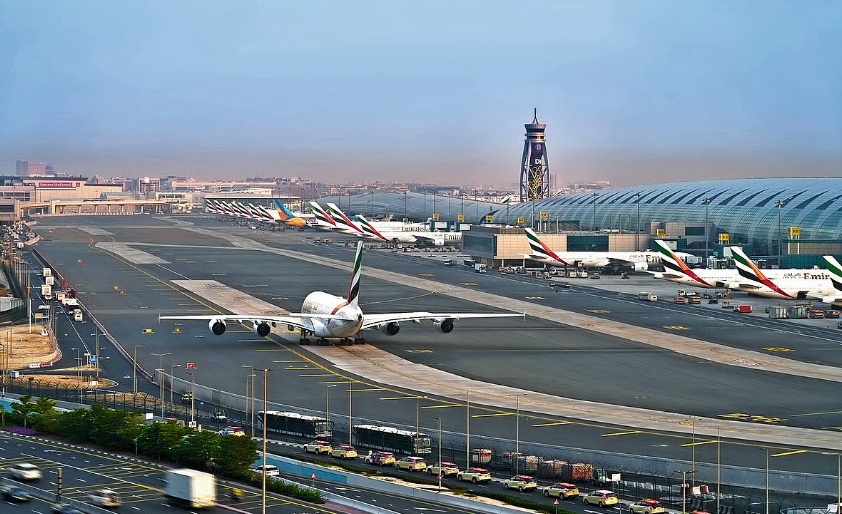
The UAE continues to anchor the region’s international air travel network. Dubai International Airport handled nearly 90 million passengers in 2024, retaining its status as the world’s busiest hub for international traffic. Abu Dhabi has doubled terminal capacity at Zayed International Airport, while Emirates and Etihad Airways operate one of the world’s largest widebody fleets, with more than 500 aircraft on order between them.
Saudi Arabia is pursuing an ambitious aviation strategy under Vision 2030. The Kingdom aims to triple annual passenger numbers to more than 330 million by the end of the decade. Plans include the launch of Riyadh Air, major fleet expansion at Saudia and the development of King Salman International Airport, which is designed to handle up to 120 million passengers annually.
Lower fuel prices are also supporting airline finances. Avolon estimates fuel costs fell by about $8 billion in 2025, accounting for roughly one-fifth of industry profits. However, aircraft supply remains tight. Order backlogs at Airbus and Boeing now stretch beyond 11 years, driving up lease rates and increasing reliance on aircraft lessors.
As Western aviation markets mature, industry leaders increasingly view South Asia and the Gulf as the primary forces shaping the next decade of global air travel growth.