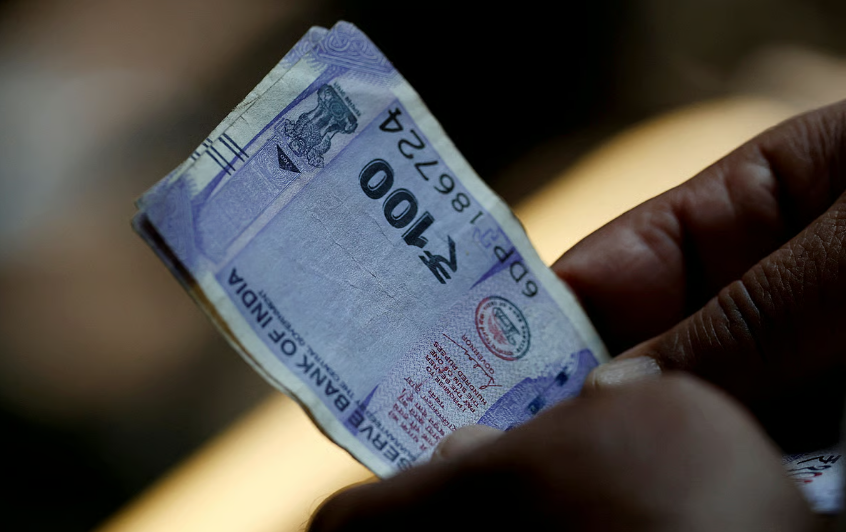
The Indian rupee fell to a record low of 91.1825 against the US dollar as trading opened on Wednesday, extending a trend of steady depreciation. The currency’s previous all-time low of 91.0750 was set in mid-December.
Because the UAE dirham is pegged to the US dollar at Dh3.67, the Indian rupee now stands at 24.8453 against the dirham. This shift has brought the UAE currency closer to the psychologically significant Rs25 mark, raising expectations for higher remittance inflows from the Gulf and offering expatriate workers a timely boost in their home-country earnings.
The weakening of the rupee comes amid signals from the Reserve Bank of India (RBI) that it will not defend the currency at any specific level. Market analysts have noted that this stance, combined with continued macroeconomic pressures, makes further depreciation likely in the near term.
At current exchange rates, the situation is already benefiting overseas earners. With the rupee trading around 90.87 to the dollar, the UAE dirham, pegged at approximately 3.6725 to the greenback, is hovering between Rs24.70 and Rs24.75. Some forecasts suggest that if the rupee falls to Rs92 per dollar, the dirham would surpass Rs25 for the first time. Such a development would directly increase the rupee value of monthly transfers sent home by UAE- and GCC-based workers, potentially boosting household incomes in India.
Economists point out that the rupee’s continued slide reflects a combination of domestic and international factors. Rising oil prices, persistent trade deficits, and global dollar strength are weighing on the currency, while capital outflows and investor sentiment also contribute to pressure on the rupee.
For millions of Indians working in the UAE and other Gulf countries, the rupee’s decline provides an indirect benefit. Higher remittance values in rupee terms can support consumption and spending back home, offering relief to families relying on overseas income. Analysts note that even modest changes in the exchange rate can have a tangible impact on household budgets in regions that heavily depend on foreign remittances.
While the RBI continues to monitor the situation, experts caution that currency movements can remain volatile. Traders are preparing for potential further weakening, suggesting that the near-term environment will be challenging for the rupee, while advantageous for expatriates converting foreign earnings into Indian rupees.
As the rupee hovers near historic lows, the trend underscores the interconnectedness of global currency markets and highlights the economic influence of expatriate remittances from the Gulf on India’s economy.