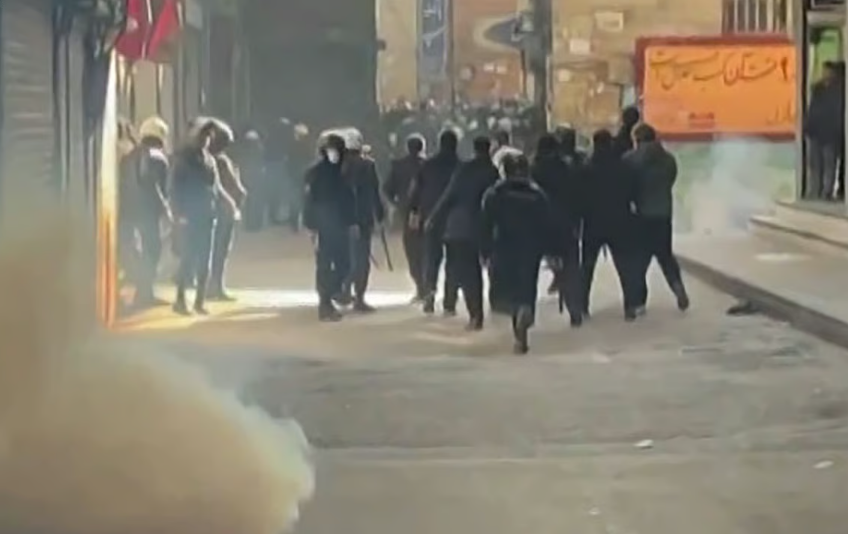
Iranian officials have confirmed that at least 5,000 people have died in ongoing protests across the country, including approximately 500 members of security forces, an official in the region told Reuters on Sunday. The official, speaking anonymously due to the sensitivity of the issue, attributed the deaths to what authorities described as “terrorists and armed rioters” targeting “innocent Iranians.”
The official highlighted that some of the heaviest clashes and the highest number of casualties occurred in Iranian Kurdish areas in the northwest. These regions have a history of unrest linked to Kurdish separatist movements, where past flare-ups have often turned violent. The official indicated that the final death toll was unlikely to rise significantly, adding that “Israel and armed groups abroad” had supported and supplied individuals involved in the protests.
Iranian authorities frequently blame foreign actors for domestic unrest. Israel, a long-standing adversary of the Islamic Republic, conducted military strikes in Iran in June. The government has also previously pointed to other external groups as fueling internal disturbances.
Independent monitoring organizations report lower figures. The US-based Human Rights Activists News Agency (HRANA) said on Saturday that 3,308 deaths had been verified, with an additional 4,382 cases under review. HRANA also reported that authorities had confirmed more than 24,000 arrests linked to the protests.
The Iranian Kurdish rights group Hengaw, based in Norway, reported that the most intense confrontations since the protests began in late December were concentrated in the Kurdish northwest. These reports describe scenes of fierce clashes between demonstrators and security forces, underscoring the region’s long-standing tensions with the central government.
The protests, which erupted over social, political, and economic grievances, have spread across several provinces, drawing global attention. International human rights organizations have called for independent investigations into the reported deaths and the treatment of detainees.
While the government attributes much of the unrest to external interference, activists and independent observers suggest domestic dissatisfaction remains a major driver. The scale of violence in Kurdish areas has raised concerns about the potential for renewed ethnic tensions and the continuation of violent clashes in future protests.
Iran has imposed strict measures to control reporting on the demonstrations, making it difficult to independently verify casualty numbers. The situation remains tense, with both domestic and international scrutiny focused on the response of Iranian authorities and the overall human cost of the protests.