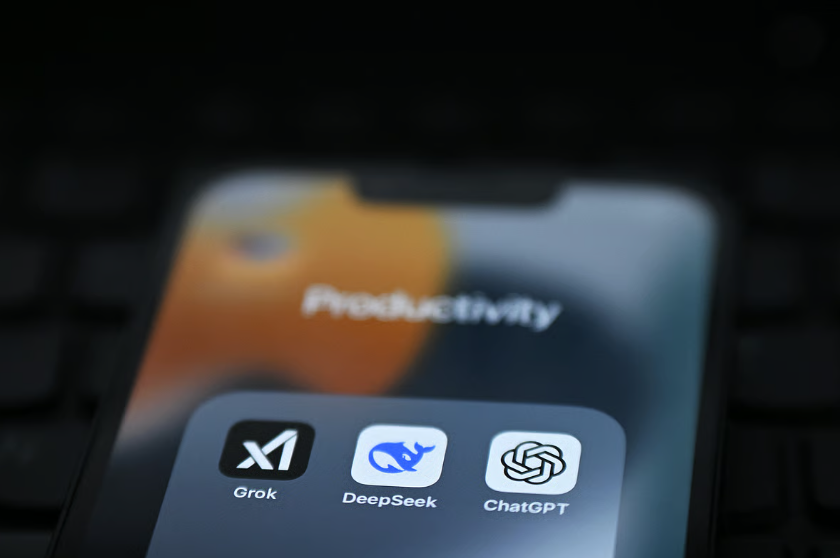
The Philippines announced Thursday that it plans to block access to Elon Musk’s Grok chatbot “by tonight,” joining Southeast Asian neighbors Malaysia and Indonesia in restricting the AI tool amid rising concerns over AI-generated sexualized content.
Telecommunications Secretary Henry Rhoel Aguda told a press briefing that the move was driven by a need to protect online users from harmful material. “We need to clean the internet now, because much toxic content is appearing, especially with the advent of AI,” Aguda said.
The decision came just hours after social media platform X, formerly known as Twitter, said it was implementing measures to prevent its AI chatbot from creating images that undress real people, including children. The announcement followed growing international criticism of AI-generated sexualized deepfakes and a formal investigation launched in the US state of California.
Renato Paraiso, acting executive director of the Philippines’ cybercrime center, said the block would be enforced immediately. “By tonight or within today, we are expecting [Grok] to be blocked in the entire Philippines,” he told AFP. Paraiso added that telecommunications companies would be required to comply with the National Telecommunications Commission (NTC) order, which authorities will actively monitor.
Paraiso emphasized that the government’s decision would proceed independently of X’s plans to restrict content on its platform. “We cannot make decisions based on announcements,” he said. “We will watch to see if the platform carries through with its promises.”
The Philippines joins a growing list of countries in the region that have restricted Grok. Indonesia became the first country to block the chatbot entirely on Saturday, with Malaysia following the next day. Regulators in these countries cited similar concerns about the potential for AI to generate explicit content, particularly involving minors.
Experts warn that unrestricted AI chatbots capable of creating sexualized content pose legal, ethical, and social challenges. Governments in Southeast Asia are increasingly scrutinizing the use of AI tools that can manipulate or produce images of real people without consent. Analysts say blocking access is a short-term measure while authorities evaluate the technology’s broader implications and risks.
For the public, the ban means Grok will no longer be accessible through local internet service providers, and users attempting to access the chatbot from within the country will be redirected or blocked. Officials have called on online platforms to take more responsibility for content moderation, as the rapid rise of AI-driven tools continues to test regulatory frameworks worldwide.